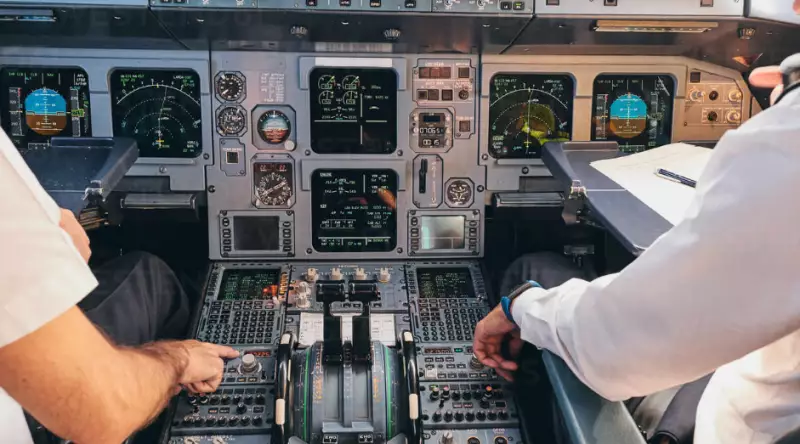
In a move aimed at addressing pilot concerns, India's largest carrier, IndiGo, has announced a significant revision to its allowance structure for flight crew. The changes, which come into effect from January 1, encompass higher pay for domestic layovers, deadhead travel, transit duties, and night operations. The most notable addition is the introduction of a brand-new tail swap allowance.
What is the New Tail Swap Allowance?
The newly introduced tail swap allowance is designed to compensate pilots for the additional effort required when switching aircraft. A 'tail swap' occurs when a pilot must move to a different airplane to operate the next flight, as opposed to continuing on the same aircraft. This process involves a fresh set of pre-flight checks, cockpit preparations, and logistical coordination, adding to the pilot's workload.
Under the new policy, captains will receive Rs 1,500 for each tail swap, while co-pilots will be paid Rs 750 per instance. This allowance directly acknowledges the extra time and responsibility involved in such operations.

Pilot Reactions: A Step in the Right Direction
While the announcement has been welcomed by the pilot community, many view it as an initial, albeit modest, correction. Pilots have expressed hope that this signals the beginning of a broader review to roll back other fatigue-inducing measures linked to the previous Flight Duty Time Limitations (FDTL) schedule, which many found punishing.
Speaking on the financial impact, a pilot illustrated that for a senior captain with a monthly earning of around Rs 9.5 lakh, the new allowances could translate to an additional Rs 15,000 to Rs 20,000. This represents an increase of less than 1%, leading some to call it a "small correction." However, the prevailing sentiment is that a positive start has been made. "Still, a start has been made," remarked one pilot, reflecting cautious optimism that more substantive changes may follow.
Broader Implications for Crew Well-being
This policy shift by IndiGo is being closely watched within the Indian aviation industry. It comes at a time when pilot fatigue and well-being are under increased scrutiny globally. By formally compensating for specific operational inconveniences like tail swaps, the airline is taking a concrete step towards recognizing and mitigating factors that contribute to crew fatigue.
The revision of domestic layover, deadhead, and night allowances alongside the tail swap pay indicates a multi-pronged approach to improving working conditions. Whether this leads to a larger overhaul of duty schedules and a more comprehensive addressal of fatigue management remains to be seen, but for IndiGo's pilots, the new year brings a tangible, if incremental, improvement in their compensation structure.