

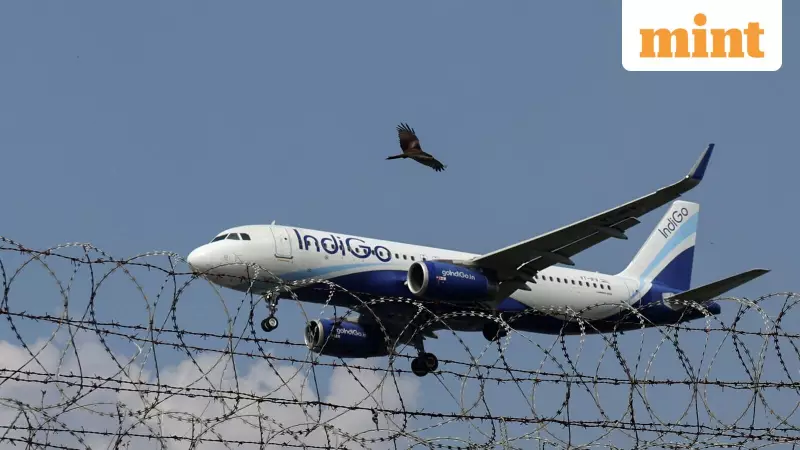
India's largest airline, IndiGo, has formally acknowledged to the country's aviation regulator that it gravely misjudged the operational impact of newly implemented flight duty time limitations. This admission comes amidst severe travel chaos, with the carrier cancelling close to 200 flights daily due to acute shortages of pilots and cabin crew.
Regulatory Admission and Corrective Plan
In a statement released on Thursday, the Directorate General of Civil Aviation (DGCA) revealed that IndiGo confessed to planning gaps that led to the ongoing massive disruptions. The airline has committed to a corrective action plan, aiming for full operational stabilisation by 10 February 2026. Until that date, IndiGo has sought exemptions from specific provisions of the new FDTL norms, which overhaul duty schedules, night-landing protocols, and weekly rest charts for flight crew.
As an immediate measure to minimise passenger inconvenience, IndiGo will reduce its number of daily flights starting 8 December. The DGCA confirmed that the airline has averaged between 170 and 200 cancellations per day since late November, a figure significantly above normal operational levels.

Airport Chaos and Plummeting Performance
The operational meltdown erupted into public view with unruly scenes at major airports nationwide on Thursday. Frustrated travellers protested across terminals, with reports of fistfights in Kolkata and Central Industrial Security Force (CISF) personnel intervening to manage irate crowds in Bengaluru and Mumbai.
The crisis has decimated the airline's famed on-time performance (OTP). Once India's most punctual carrier with an OTP exceeding 87% until October, its performance nosedived to 67.7% in November. The situation worsened dramatically this week, with OTP dropping to 35% on Tuesday (2 December) and a mere 19.7% on Wednesday. This means only about one in five IndiGo flights arrived at their destination on time.
Root Causes and Financial Implications
The turbulence began after 1 November, when the second phase of the new FDTL norms became active. Since then, IndiGo has cancelled more than 1,550 flights, including 1,232 in November alone. The airline identified the revised crew rostering rules as the primary culprit, directly causing 755 cancellations due to crew shortage.
In a message to employees, IndiGo CEO Pieter Elbers termed this the airline's "biggest operational challenge" and called for unity to overcome it. While citing multiple factors like minor tech glitches and weather, the new norms remain central to the problem.
The financial impact is looming. The airline's Chief Financial Officer, Gaurav Negi, had earlier warned of "incremental costs" related to implementing the new rostering rules. An industry analyst, speaking anonymously, indicated that sustained cancellations could hit the topline by 6-7% if they persist for a full quarter. IndiGo's shares reflected the stress, closing 2.8% lower at ₹5,437.6 on Wednesday, even as the broader market edged up.
Experts like Mark D. Martin of Martin Consulting argue that airlines must move away from "lean manpower strategies" to comply with the stricter FDTL norms, a shift that will inevitably raise operational costs. With over 5,456 pilots as per its latest annual report, IndiGo now faces the complex task of re-rostering its vast workforce while managing passenger expectations and financial pressures, in a bid to restore its reputation for reliability.






