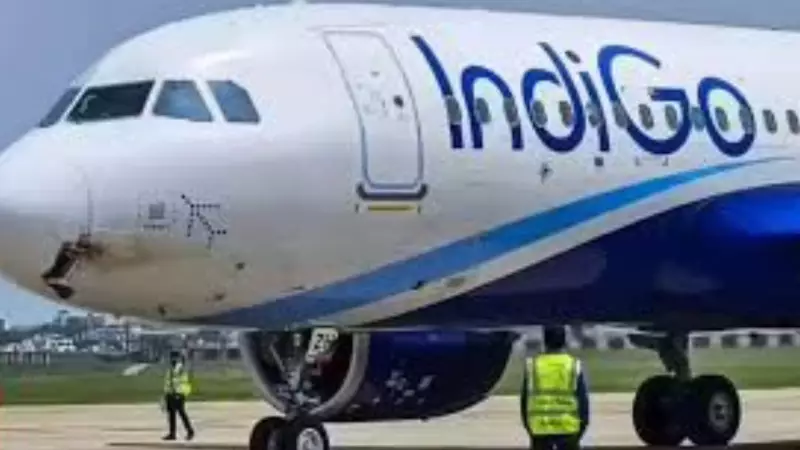
India's aviation sector faced severe turbulence this week as the country's largest carrier, IndiGo, experienced massive operational disruptions. Data from the aviation ministry revealed a shocking collapse in the airline's punctuality, leading to widespread passenger inconvenience and raising serious questions about regulatory oversight.
Scale of the Operational Meltdown
On Wednesday, only one in five IndiGo flights operated on time, with its On-Time Performance (OTP) crashing to a mere 19.7%. This was a drastic fall from the already low 35% recorded on Tuesday. The ripple effect was felt across the domestic network. The total number of domestic flights in India on Wednesday stood at 3,006, a significant drop from the 3,189 flights a day earlier, primarily due to cancellations by IndiGo.
Given that IndiGo commands a dominant 64% share of the domestic passenger market, its sudden schedule truncation left travelers with severely limited alternatives, causing chaos at airports nationwide.

Root Causes and Pointed Questions
The unprecedented crisis has ignited a debate on the airline's readiness for the new Flight Duty Time Limitation (FDTL) norms, which were implemented on November 1. These revised rules, born from a protracted legal battle, aim to provide more humane working hours for pilots, reduce fatigue, and enhance overall flight safety. However, they also increase pilot requirement per aircraft.
Industry experts are now questioning whether the Directorate General of Civil Aviation (DGCA) adequately assessed IndiGo's pilot strength before approving its winter schedule, which took effect around the same time as the new FDTL rules. A senior pilot highlighted this regulatory gap, stating that matching approved flights with available pilot resources could have prevented this situation where hundreds of flights are being cancelled.
"It is understandable an airline will like to have a minimum number of pilots to keep costs low, but the checks should have been done by aviation authorities," the pilot remarked, pointing to a potential failure in oversight.
IndiGo's Response and Passenger Advisory
In response to the chaos, IndiGo announced a 48-hour schedule reduction to stabilize operations. The airline is proactively informing affected passengers, offering them refunds or the option to travel on other airlines.
In an official statement, IndiGo cited a "multitude of unforeseen operational challenges" for the disruption. These included minor technology glitches, winter schedule changes, adverse weather, increased air traffic congestion, and the implementation of the updated crew rostering rules (FDTL). The airline apologized for the inconvenience and stated that its teams are working around the clock to normalize the situation.
The airline has advised all customers to check their flight status on the IndiGo website before heading to the airport. It has assured that calibrated schedule adjustments for the next 48 hours aim to restore network stability and punctuality progressively.
This episode serves as a stark reminder of the fragile balance in India's booming aviation sector, where rapid growth must be meticulously managed alongside stringent safety and welfare regulations to avoid such large-scale passenger distress.