

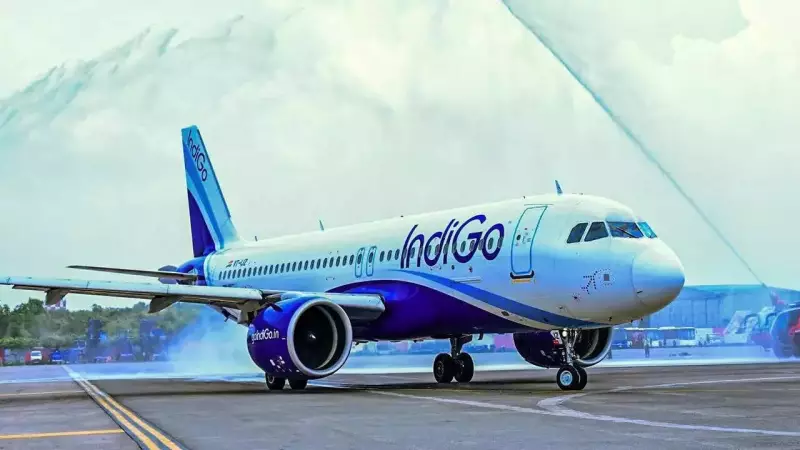
In a dramatic escalation of the ongoing aviation crisis, pilots of IndiGo Airlines have made serious allegations, claiming the recent wave of flight cancellations and delays that brought Indian air travel to a near halt was a deliberately engineered event. They assert the chaos was created to undermine the implementation of crucial new safety norms and to pressure the government into suspending the revised Flight Duty Time Limitation (FDTL) rules.
Questioning the Math Behind the Meltdown
The pilots, represented by the Airline Pilots' Association of India (ALPA), have pointedly questioned the official narrative of a pilot shortage causing the disruption. They highlight that IndiGo operates approximately 2,200 flights daily with a total pilot strength of 4,551, comprising 2,357 captains and 2,194 first officers. The deficit following the new FDTL norms was just 124 pilots (65 captains and 59 co-pilots).
"When the new norms came into effect, they should have affected just 5-7% of the flights," a veteran pilot stated, arguing that such a minor shortfall could not logically lead to the cancellation or delay of thousands of flights across the network over the past five days.

Allegations of Deliberate Sabotage and Safety Compromise
Sources within the airline have described suspicious changes to standard operating procedures (SOPs) that are believed to have exacerbated the situation. One pilot revealed that the protocol for calling reserve pilots was abruptly altered. Typically, if a standby pilot isn't available, a pilot on a day off is contacted 5-6 hours before departure. However, during the crisis, these calls suddenly started coming merely 1-2 hours before departure, making it nearly impossible for pilots to report on time.
Another pilot cited an example from Kolkata airport, where aircraft that are usually parked next to each other in remote bays were recently parked far apart, unnecessarily delaying ground crew operations and turnaround times. "IndiGo has gone to extraordinary lengths to get its way and put profits before safety," said Sam Thomas, president of the Airline Pilots' Association of India. He accused the airline of forcing a rollback of the revised FDTL norms announced two years ago, thereby putting flight safety at risk.
Calls for Investigation and Accountability
The growing discontent among the cockpit crew has now crystallized into a demand for a formal investigation. An increasing number of pilots are calling for a forensic investigation into the triggers of the five-day crisis. They insist that if the disruption was indeed orchestrated, those responsible for the alleged scheme must be identified and prosecuted.
The pilots' allegations cast a long shadow over the recent aviation turmoil, shifting the focus from operational resource issues to potential intentional malfeasance aimed at influencing regulatory policy. The situation underscores a deep rift between the airline's management and its pilots regarding the paramount importance of safety regulations designed to prevent crew fatigue.






