

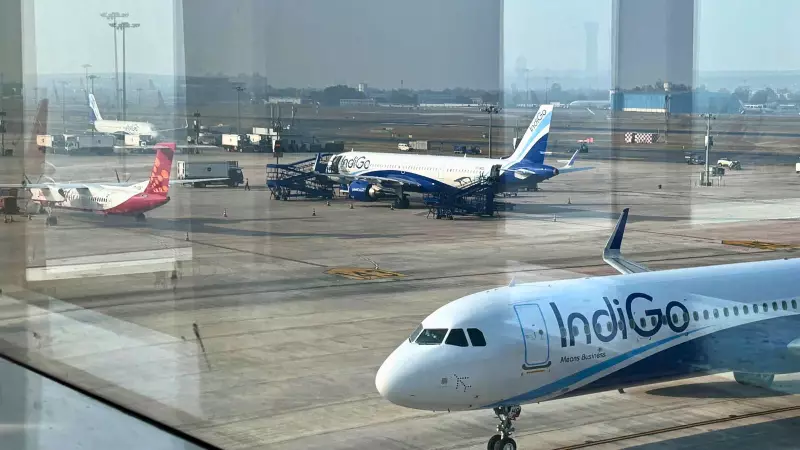
India's largest airline, IndiGo, has formally informed the aviation regulator that it will begin reducing its flight schedule from Monday, December 8, in a bid to curb widespread disruptions. The carrier has set a target of February 10, 2025, to fully restore normalised and stable operations. This announcement comes as the airline grapples with severe operational chaos triggered by a shortage of flight crew following the implementation of new pilot duty rules.
Admission of Planning Gaps and Regulatory Scrutiny
In its communication to the Directorate General of Civil Aviation (DGCA), IndiGo accepted that it had misjudged its flight crew requirement under the new Flight Duty Time Limitation (FDTL) norms. This miscalculation is cited as the primary cause for the mass cancellations and delays that have plagued the airline for the past three days. On Thursday, December 4, alone, over 250 IndiGo flights were cancelled across major Indian airports.
The Ministry of Civil Aviation (MoCA) expressed serious concern over the handling of the situation. Civil Aviation Minister K Rammohan Naidu conveyed "clear displeasure" to the airline during a review meeting, emphasising that ample preparatory time was available for a smooth transition to the new rules. The minister directed IndiGo to urgently normalise operations and ensure airfares do not rise due to the current crisis.

Request for Exemption and Crew Shortfall Details
Alongside its recovery plan, IndiGo has requested the DGCA for temporary exemptions from certain night operation provisions in the new FDTL norms until February 10. The regulator has not yet agreed and has asked the airline to submit the specific relaxations it seeks for review. Sources indicate some relief may be considered given the scale of the disruption.
The new FDTL rules, implemented in phases from July 1 and November 1, have significantly impacted IndiGo's operations. Key changes include increasing weekly pilot rest to 48 hours from 36, limiting night landings to two from six, and capping consecutive night duties. These changes have constrained IndiGo more than other carriers due to its high proportion of night flights and lean operational model.
Data presented by IndiGo to the DGCA reveals a clear crew shortfall. To operate its Airbus A320 fleet stably under the new rules, the airline needs 2,422 captains and 2,153 first officers. However, it currently has only 2,357 captains and 2,194 first officers for this fleet, creating an immediate gap.
Operational Meltdown and Regulatory Directives
The operational impact has been stark. IndiGo's on-time performance (OTP), typically above 80%, plummeted to 19.7% on Wednesday, down from 35% on Tuesday and around 50% on Monday. The airline warned that more cancellations are likely over the next two to three days as part of its schedule stabilisation efforts.
In response, the DGCA has issued a series of directives to IndiGo. The airline must submit a detailed mitigation plan outlining immediate steps to stabilise operations and ensure a progressive reduction in cancellations. It is also required to provide a detailed progress report every 15 days covering operational improvements, crew availability, and roster stability.
Furthermore, the DGCA has mandated strict real-time monitoring of IndiGo's operations. This includes field inspections at major airports to evaluate passenger handling, crew deployment, and communication during disruptions. Officers have been deployed to the airline's operational control centers for continuous oversight.
IndiGo, which commands over 60% of the domestic market share and operates more than 2,300 daily flights with a fleet of over 400 aircraft, now faces the challenging task of recruiting and training additional crew while restructuring rosters to achieve full compliance with the safety-centric FDTL norms.






