

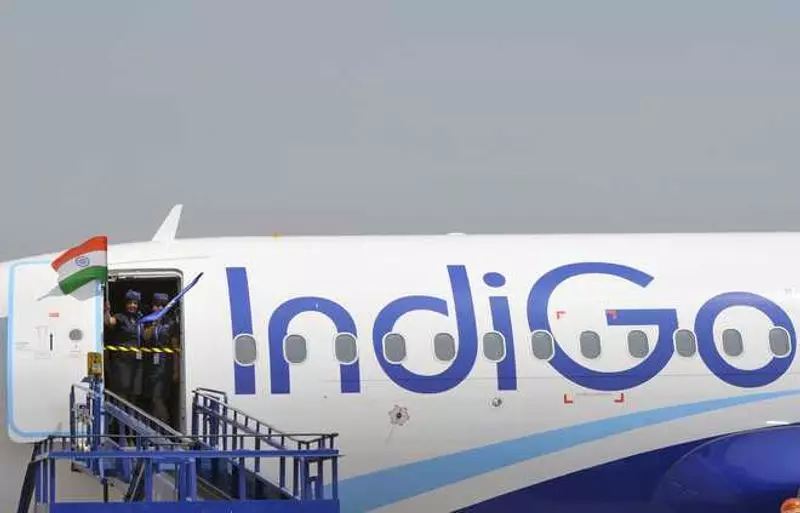
In a significant financial development, India's largest airline, IndiGo, is confronting a substantial tax penalty. The Directorate General of GST Intelligence (DGGI) has issued a demand notice, slapping the carrier with a Goods and Services Tax (GST) penalty amounting to a staggering Rs 458 crore.
The Core of the GST Dispute
The controversy centers around the airline's tax treatment of certain services. According to the DGGI, the penalty arises from alleged discrepancies in how IndiGo accounted for and paid GST on specific components of its operations. The tax authority's investigation concluded that the airline failed to discharge its full GST liability correctly during the period under scrutiny.
In an official regulatory filing to the stock exchanges, InterGlobe Aviation Ltd., the parent company of IndiGo, confirmed the receipt of the order. The company stated that the demand order was received on October 1, 2024. This formal document outlines the tax department's claim and the accompanying penalty.

IndiGo's Firm Stance: Compliance and Contestation
IndiGo has taken a strong defensive position against the penalty order. The airline has asserted that it has been fully compliant with all applicable GST laws and regulations. The company believes that the tax demand is not justified based on its interpretation of the tax framework.
Consequently, IndiGo has announced its clear intention to challenge the ruling. The airline plans to exercise all available legal remedies to contest the order. This will likely involve filing an appeal with the appropriate appellate authority to have the demand notice reviewed and potentially overturned.
The company has assured its stakeholders, including investors and passengers, that this development is not expected to have any material impact on its financials, operations, or other activities. This confidence stems from its belief in the strength of its legal position regarding the tax matter.
Implications and Industry Context
This hefty penalty notice highlights the increasing scrutiny of large corporations by Indian tax authorities under the GST regime. The aviation sector, with its complex web of services spanning passenger tickets, cargo, ancillary services, and maintenance, often faces intricate tax interpretations.
A penalty of Rs 458 crore represents a significant sum, even for a profitable airline like IndiGo. While the carrier has stated it does not foresee a material impact, a final ruling upholding the penalty could lead to a substantial financial outflow. The process of legal contestation may also be protracted, spanning several months or even years through various levels of appeal.
The outcome of this case could set a precedent for how GST laws are applied to similar transactions within the aviation and broader transportation industry. Other airlines and service providers will be watching closely as IndiGo navigates this legal challenge.
For now, IndiGo continues its normal flight operations, with its management focused on both running the airline and preparing a robust legal defense against the GST penalty claim. The coming months will be crucial as the formal appeal process begins.






