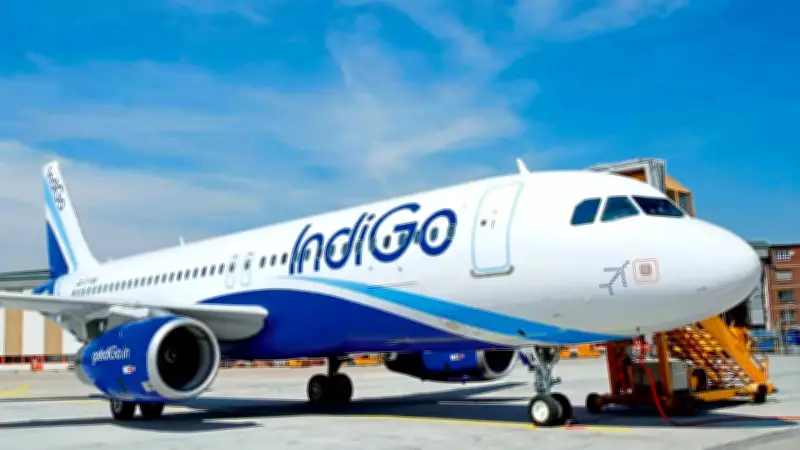
IndiGo Announces Major Pilot Recruitment Drive Following Regulatory Review
IndiGo, India's largest airline, is embarking on an extensive hiring spree to bring more than 1,000 pilots into its workforce. This strategic move comes in response to severe operational disruptions experienced last December, when the carrier was compelled to cancel over 5,000 flights within a single week.
Comprehensive Recruitment Strategy
The fresh recruitment initiative will encompass trainee first officers, senior first officers, and commanders. According to a recruitment notice reported by ET, the airline is now open to accepting applicants without prior experience on the Airbus A320, which serves as the backbone of its fleet network.
This hiring push follows a critical review by the Directorate General of Civil Aviation (DGCA), which concluded that IndiGo had neither aligned its hiring practices with new regulatory requirements nor sufficiently accelerated its training capabilities. The investigation highlighted that these shortcomings led to excessive strain on existing pilots through repeated reassignments, extended duty hours, and increased reliance on deadheading—where crew members are transported as passengers to operate flights at other locations.

Regulatory Changes and Operational Adjustments
Under updated regulatory frameworks, the number of landings permitted between midnight and 6 AM has been restricted, while mandatory weekly rest periods for pilots have been extended. In the aftermath of the December crisis, DGCA implemented temporary relaxations, suspending night-duty restrictions until February 10.
The regulatory body's assessment pointed to an excessive focus on maximizing the utilization of crew, aircraft, and network resources, which drastically reduced buffer margins in scheduling. DGCA noted that IndiGo's crew schedules were structured to extract maximum duty hours, heavily employing deadheading, tail swaps, and stretched work patterns, leaving minimal room for operational recovery.
Expansion and Infrastructure Enhancements
A senior official cited by ET emphasized that IndiGo is now establishing a steady pipeline of cockpit personnel to match its rapid fleet expansion. The airline is currently upgrading approximately 20–25 first officers to captain status each month through its in-house training system.
Concurrently, the carrier has begun revising its network planning to introduce greater flexibility into daily operations. From nearly zero buffer in December, operational margins have been increased to 3% this month. Standby crew availability has also been elevated to a minimum of 15%.
Fleet growth continues at a vigorous pace, with an average of four new aircraft joining IndiGo's operations monthly. While regulatory standards mandate three sets of pilots per aircraft—typically one captain and one first officer—IndiGo's intensive utilization rates drive its requirement to more than double that figure. During the December inquiry, it was revealed that the airline needed 2,422 captains but had only 2,357 available.
Training Challenges and Future Outlook
Training remains a lengthy process, with trainee first officers requiring around six months before they are certified to operate. Promotion to captaincy demands at least 1,500 hours of flight experience, though airlines often enforce stricter internal benchmarks.
IndiGo's proactive measures, including the substantial pilot recruitment drive, enhanced training protocols, and improved operational buffers, aim to bolster roster integrity and operational resilience, ensuring smoother service delivery and preventing future disruptions.