

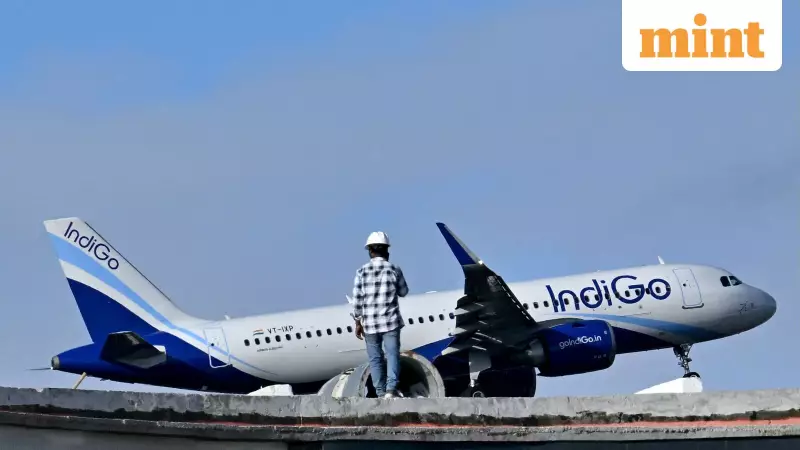
India's largest airline, IndiGo, has formally acknowledged serious lapses in planning and judgment that led to widespread flight disruptions across the country, stranding thousands of passengers. The carrier has informed the aviation regulator that it will proactively reduce its flight schedule starting December 8 in a bid to stabilise operations.
The Root Cause: A Misjudged Rollout
In a communication to the Directorate General of Civil Aviation (DGCA) on Thursday, December 4, 2025, IndiGo pinpointed the core issue. The chaos, which saw over 300 flight disruptions in a single day, stemmed from misjudgment and planning gaps in implementing the new Flight Duty Time Limitations (FDTL) norms for its crew. These regulations are designed to manage pilot and cabin crew fatigue, but their execution went awry, causing a cascading effect on the airline's schedule.
Immediate Fallout and Corrective Plan
The airline warned the DGCA that the ripple effects of the initial disruption would continue, with cancellations expected for the next 2-3 days as part of "schedule stabilisation" efforts. To prevent a repeat of the scenes of chaos witnessed at airports like Bengaluru's Kempegowda International Airport, IndiGo is taking a significant step back. It will reduce its overall flight operations from December 8 to create a more manageable and reliable schedule.

While corrective actions are already underway, the airline has set a long-term target for a full return to normalcy. IndiGo stated that stable flight operations are expected to be fully restored by February 10, 2026. This timeline suggests a period of careful restructuring and recalibration of its resources and rosters.
Context of the Disruption
The admission to the DGCA comes after a day of severe travel turmoil across India. On December 4, IndiGo was forced to cancel over 1,200 flights, creating a logistical nightmare and leaving passengers frustrated at major airports. The scale of the cancellation highlighted the systemic nature of the problem, far beyond typical daily operational hiccups.
The episode has put the budget carrier, which commands the largest market share in Indian skies, under intense scrutiny from both the regulator and the travelling public. Its commitment to reducing operations voluntarily is seen as a necessary, albeit disruptive, measure to rebuild reliability and passenger trust.






