JioMart's Hyperlocal Arm Posts Scorching Growth, But Premium Brands Go Slow—For Now
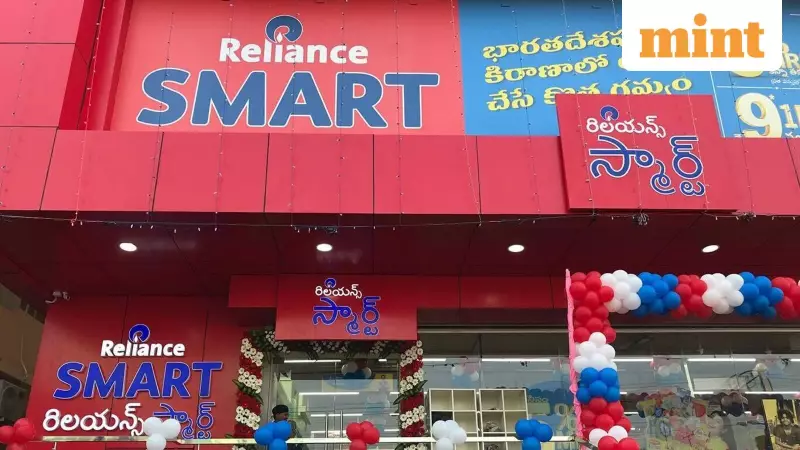
Reliance Retail's hyperlocal delivery arm, JioMart, is scaling up its quick commerce business aggressively. The company adds stores and expands delivery coverage across India. This move fuels impressive growth numbers. However, premium brands show reluctance to fully embrace the platform at this stage.
Strong Expansion Meets Cautious Brands
JioMart entered the quick commerce race later than rivals, launching in late 2024. Despite this, it reports robust metrics. In the December quarter of FY26, JioMart fulfilled over 1.6 million daily orders. This marks a nearly 53% jump from the previous quarter. The platform added 5.9 million new customers during this period. Purchase frequency, measured by repeat orders, improved to about twice that of competitors.
Dinesh Taluja, chief financial officer of Reliance Retail, highlights the scale. "We have the largest footprint of stores as well as the widest reach compared to other quick commerce players," he said during an analyst call. "This is helping us scale fast." The retailer now serves more than 5,000 pincodes across 1,000 cities, with over 3,000 stores combined.

Premium Categories Lag Behind
Despite this growth, several premium categories remain underdeveloped on JioMart. Premium brands—typically priced 15% to 30% higher than mass-market products—continue to favor established players. These include Blinkit, Zepto, and Swiggy Instamart. These rivals offer broader reach, higher order volumes, and stronger consumer recall.
Satish Meena, an analyst at Datum Intelligence, explains the gap. "Rival platforms have had the time to grow beyond groceries, expand their seller base, and experiment with premium assortment," he said. "JioMart could get there over time." Categories like wellness, healthy snacking, and nutritional supplements are yet to mature on the platform.
Executives from premium brands share similar views. A founder of a Mumbai-based wellness company, who asked not to be named, notes the challenges. "Segments like healthy snacking, plant-based nutritional supplements, and functional beverages still haven't matured fully to find a place in JioMart," he said. His brand gets less than 1% of monthly sales from JioMart, compared to nearly 30% from rival platforms combined.
Another founder of a personal care brand from Mumbai lists only a limited selection on JioMart. He cites slower sales for offerings priced about 20% higher than mass-market brands like Hindustan Unilever and Procter & Gamble.
Competitive Landscape and Economics
India's quick commerce market remains fiercely competitive. Platforms prioritize expansion, delivery, and customer acquisition, often sacrificing near-term profitability. Blinkit leads with nearly 50% market share, followed by Zepto, Swiggy Instamart, BigBasket, Flipkart Minutes, and Amazon Now.
Premium brands are critical for sustainable scaling. Meena emphasizes their importance. "They typically drive higher average order values, better margins, and repeat purchases," he said. "They also shape consumer perception of the platform as a destination beyond essentials." Over time, this mix becomes vital for improving unit economics.
Premium brands generally spend more on ads than mass-market brands. This translates into revenue opportunities for e-commerce marketplaces. Gourmet and premium categories have become focus areas for quick commerce players as they move upmarket.
JioMart's Strengths and Future Prospects
JioMart may still emerge as a strong contender in the essentials space. Its extensive footprint gives it an edge. Taluja points to the fruits and vegetables supply chain. "We have the biggest FnV supply chain, and one in four orders comprise FnV," he said. "Hence, our repeat order frequencies are 2x of any other quick commerce platform."
Meena suggests JioMart benefits from a positioning anchored in accessibility and affordability. This could make it a strong platform for staples and FMCG labels. However, newer or premium brands often need the merchandising and visibility that specialist quick commerce players already provide.

Investments in hyperlocal commerce weighed on Reliance Retail's EBITDA margin in the December quarter. Yet, the retailer reported its highest-ever gross revenue of ₹97,605 crore. The journey continues as JioMart navigates growth and brand partnerships in a dynamic market.