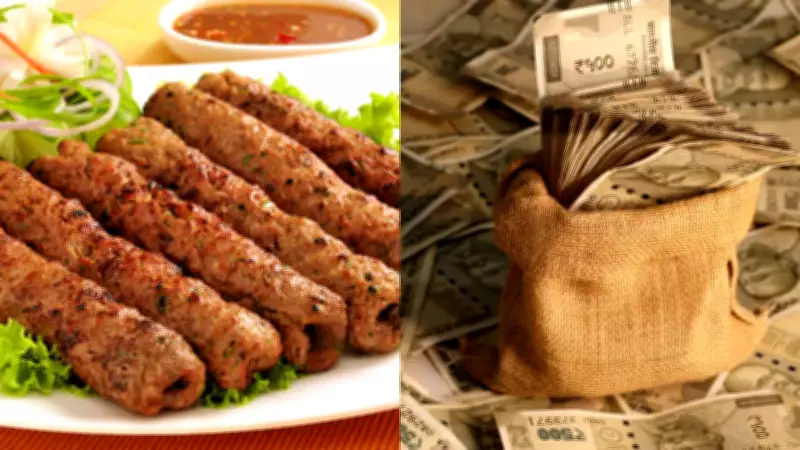
When it comes to kebabs, they are among the most beloved culinary creations, celebrated for their rich flavors, aromatic spices, and smoky char. From succulent seekh kebabs and melt-in-the-mouth galouti kebabs to juicy shish kebabs grilled over open flames, this culinary delight is enjoyed as an appetizer with salad and chutney or as a main course with paratha. While these treats are often remembered for their juicy and spicy aftertaste, a kebab company recently experienced a bitter taste of its own making after being fined £500,000 (approximately Rs 6.3 crore). Scroll down to read the details.
What Went Wrong?
According to a BBC report, Kismet Kebabs Ltd, based in Chelmsford, Essex, was fined £500,000 after a court heard it defrauded the public by selling "lamb" kebabs that actually consisted of skin, fat, and cheaper meats. The report states that the firm supplied takeaways and restaurants across the UK. It was also ordered to pay £259,298 in prosecution costs. The company has been granted a period of four years to pay the total financial penalty.
What Does the Investigation Highlight?
The report highlights that the deception came to light following a regional sampling exercise launched in late 2020 and early 2021. According to investigating officers, the meat content of kebabs sold at local places failed to match the descriptions on the labels. Later, laboratory tests confirmed that the actual meat content "differed significantly" from what was advertised.

How Were They Making Such Meat?
It was mentioned in court that the company had misled wholesalers, retailers, and consumers by manufacturing products with labels indicating specific quantities of meat that the firm knew to be incorrect. One audited example revealed that a lamb doner kebab claiming to contain 87% lamb was composed of just 51% meat and 40% fat. During the investigation, it was found that very little genuine lamb was being bought. Instead, the business was purchasing large volumes of skin, fat, goat, and "lower-grade 'meat' products that cannot be called meat as per the legal definition." It was further revealed that the factory was creating a mechanically derived meat mixture consisting of neck trim, mutton trim, water and ice, which was counted toward the official meat content declared on the packaging.
This case serves as a stark reminder of the importance of food labeling and consumer trust. The hefty fine and prosecution costs underscore the legal consequences of such fraudulent practices, which not only cheat customers but also harm honest businesses in the industry.