Kotak Institutional Equities has revised its Brent crude oil price forecast downward, now expecting an average of USD 85 per barrel for the current quarter, down from a previous estimate of USD 95 per barrel. The brokerage cited a shift in market fundamentals and the potential for a cooling of geopolitical tensions as key reasons for the revision.
Supply Disruption and Price Correction
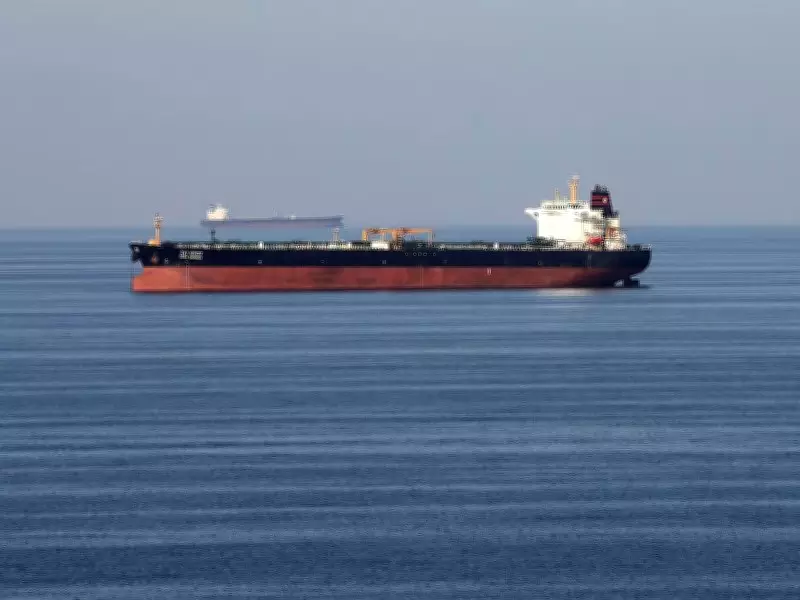
The West Asia crisis caused one of the largest supply disruptions in recent years, pushing oil prices sharply higher in March. However, as the disruption persisted and inventories declined, crude prices surprisingly continued to fall rather than rise further. According to Kotak, despite a cumulative impact of 1.3-1.4 billion barrels due to the Strait of Hormuz disruption, large strategic reserve releases by OECD countries and China, along with sharply reduced imports by select countries (6 million barrels per day by China and Japan, according to the IEA), helped keep prices in check.
Price Trajectory and Forecasts
Brent crude is expected to average USD 85 per barrel in the current quarter. The brokerage expects prices to decline further to USD 75 per barrel later in the year, a figure maintained for FY28, FY29, and the longer term. The forecast for FY27 has been officially revised to USD 85 per barrel, down from the earlier projection of USD 95. Kotak stated, "We revert to a crude oil price assumption of US$85/bbl (from US$95/bbl) for FY2027E, while maintaining US$75/bbl for FY2028/29E and LT."

Geopolitical Risks and Agreement Prospects
The brokerage noted that the chances of a final agreement remain high after the US and Iran reached a consensus on key issues and amid growing international pressure for a resolution. "In our view, with the US and Iran agreeing to key points (though Israel's absence has been conspicuous) and intense global pressure, the likelihood of a final agreement is high," it said. However, it cautioned that geopolitical risks are likely to persist, as Iran's demonstrated ability to influence traffic through the Strait of Hormuz could continue to keep energy markets volatile. "We believe geopolitical risks persist, with Iran's new realised ability to use the SoH as a lever likely to keep energy markets volatile," the report added.
Market Surplus and Reserve Replenishment
As the bulk of the impacted Strait of Hormuz disruption returns in the fourth quarter of FY26, oil markets will likely be in surplus, according to the report. However, Kotak noted, "there will be a need to replenish reserves and geopolitical premiums may remain elevated." The brokerage maintains its long-term oil price assumption of USD 75 per barrel.