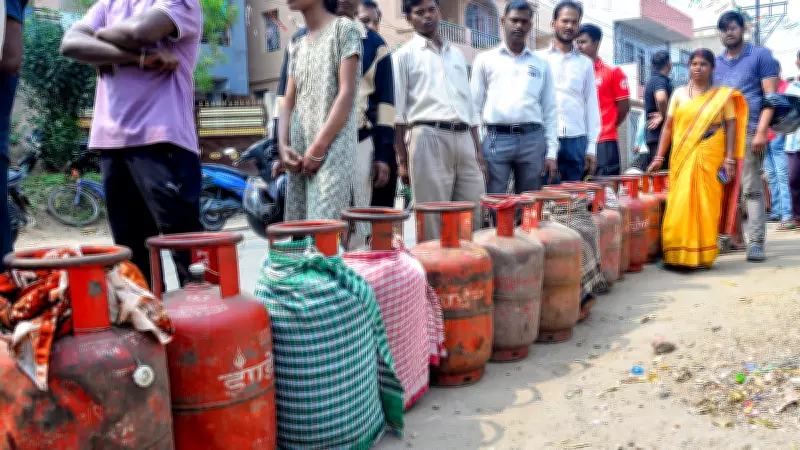
LPG Cylinder Prices Rise Sharply Amidst Gulf Tensions and Global Market Volatility
In a significant development affecting millions of households across India, the prices of domestic liquefied petroleum gas (LPG) cylinders have been hiked by approximately Rs 19 per cylinder. This price adjustment comes against the backdrop of escalating geopolitical tensions in the Gulf region and a surge in international crude oil prices, which have created substantial volatility in global energy markets.
Impact of Gulf Conflict on Energy Markets
The ongoing conflict in the Gulf has directly contributed to the rise in LPG prices, as the region is a critical hub for global oil and gas production. Any disruption in this area tends to send shockwaves through international energy supply chains, leading to increased costs for imported fuels like LPG. India, which relies heavily on imports to meet its LPG demand, is particularly vulnerable to such geopolitical instabilities.
The price hike reflects the broader economic pressures stemming from these tensions, with analysts noting that further escalations could lead to additional increases in the coming months. This situation underscores the interconnectedness of global events and domestic economic conditions, especially in sectors dependent on imported resources.

Rising Crude Oil Prices and Their Effect
Concurrently, international crude oil prices have been on an upward trajectory, driven by supply concerns and heightened demand. Since LPG is a byproduct of crude oil refining, its pricing is intrinsically linked to fluctuations in the oil market. The recent spike in crude prices has necessitated adjustments in LPG costs to align with global benchmarks.
This trend highlights the challenges faced by policymakers in balancing consumer interests with market realities, as they strive to mitigate the impact on household budgets while ensuring the sustainability of energy supplies. The price hike is part of a broader pattern of inflationary pressures affecting various sectors of the economy.
Implications for Household Budgets and Inflation
The increase in LPG prices is expected to have a direct impact on household expenses, particularly for low- and middle-income families who rely heavily on LPG for cooking and other domestic needs. This could exacerbate existing inflationary trends, as higher energy costs often translate into increased prices for goods and services across the board.
- Households may need to adjust their budgets to accommodate the higher costs, potentially reducing spending in other areas.
- The price hike could contribute to overall inflation, affecting the cost of living and economic stability.
- Government schemes aimed at subsidizing LPG for vulnerable groups may face increased pressure to offset these rises.
In summary, the hike in LPG prices is a multifaceted issue driven by geopolitical tensions in the Gulf and rising global crude oil prices. It underscores the need for strategic planning and policy interventions to cushion consumers from such external shocks while maintaining energy security in an increasingly volatile world.