

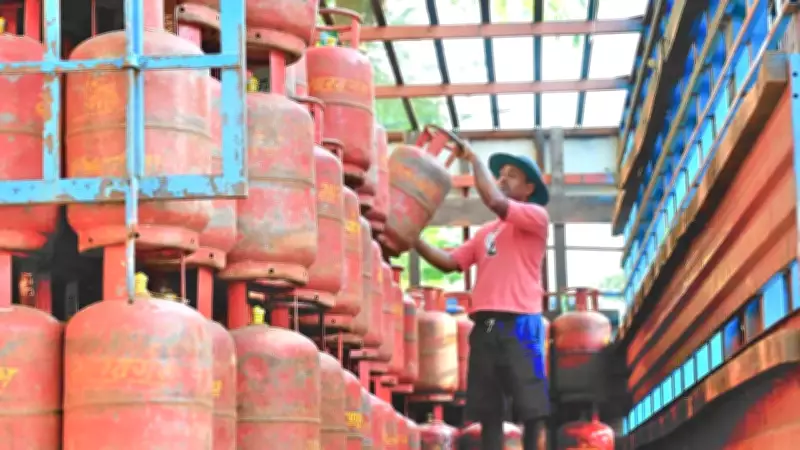
Major Indian Cities Grapple with Severe LPG Shortage as Geopolitical Tensions Disrupt Supply Chains
A critical shortage of Liquefied Petroleum Gas (LPG) has gripped several major Indian cities, severely impacting the hospitality and food service sectors. The crisis, triggered by supply chain disruptions stemming from escalating geopolitical tensions in West Asia, has left hotels, restaurants, and eateries scrambling for cooking gas.
Supply Chain Disruptions Lead to Extended Refill Delays
In Mumbai, the ripple effects of recent international conflicts have manifested as significant LPG supply disruptions. Refill waiting times have ballooned to between two and eight days, creating operational challenges for businesses reliant on consistent gas supply. This delay is directly linked to broader global fuel supply chain issues affecting availability.
Bengaluru's Food Service Sector Faces Operational Crisis
Across Bengaluru, hotels and self-service eateries are reporting an unexpected and severe shortage of commercial LPG cylinders. The Bangalore Hotels Association has issued warnings that many small and medium-scale eateries could be forced to temporarily suspend operations if the situation persists. With the city's vibrant food culture at stake, restaurant owners are expressing growing concern about their ability to maintain normal business activities.

Kolkata's Hospitality Industry Braces for Impact
Similar challenges are emerging in Kolkata, where restaurants and bakeries face looming operational disruptions. Industry sources within the hospitality and food sectors warn that service interruptions are imminent if commercial LPG supplies remain constrained. The timing is particularly problematic as the city's culinary establishments navigate peak demand periods.
Rajasthan's Widespread Hospitality Sector Affected
The shortage has extended to Rajasthan, where hotels, restaurants, dhabas, and roadside food vendors are confronting a sudden scarcity of LPG cylinders. This crisis comes at an especially challenging time with the wedding season in full swing and tourist inflows peaking on weekends. Hoteliers have expressed serious concerns about their ability to cater to these seasonal demands without reliable cooking gas supplies.
Government Response and Administrative Measures
In response to the growing crisis, the Ministry of Petroleum and Natural Gas has directed oil refineries to significantly increase LPG production. The ministry has specifically mandated that additional output be channeled for domestic consumption to alleviate pressure on commercial users. This directive represents a direct response to the geopolitical tensions that have disrupted global fuel distribution networks.
Simultaneously, district administrations are taking localized action. In Kolhapur, District Collector Amol Yedge convened an emergency meeting with gas agency officials and operators. He directed agencies to provide daily stock updates and immediately report any spikes in booking volumes to local authorities, demonstrating a proactive approach to supply management.
New Regulations to Prevent Hoarding and Black Marketing
To manage the current supply environment more effectively, the ministry has introduced a 25-day inter-booking period for consumers. This measure aims to prevent hoarding and curb potential black marketing activities that could exacerbate the shortage. By regulating booking frequency, authorities hope to ensure more equitable distribution of available LPG resources across affected regions.
The commercial LPG shortage represents a significant challenge for India's food service industry, with potential implications for employment, tourism, and daily consumer access to prepared foods. As geopolitical tensions continue to influence global supply chains, businesses and authorities are working to develop sustainable solutions to this pressing energy crisis.






