New clinical data from Elevate Now, India's largest data-backed metabolic health programme, suggests that the future of obesity treatment may lie in metabolic reversal rather than weight loss alone. The company's latest Clinical Excellence Report, based on insights from more than 50,000 patient journeys, found significant improvements across key markers linked to diabetes, insulin resistance, liver health and cardiovascular risk.
Beyond the Scale: Key Metabolic Improvements
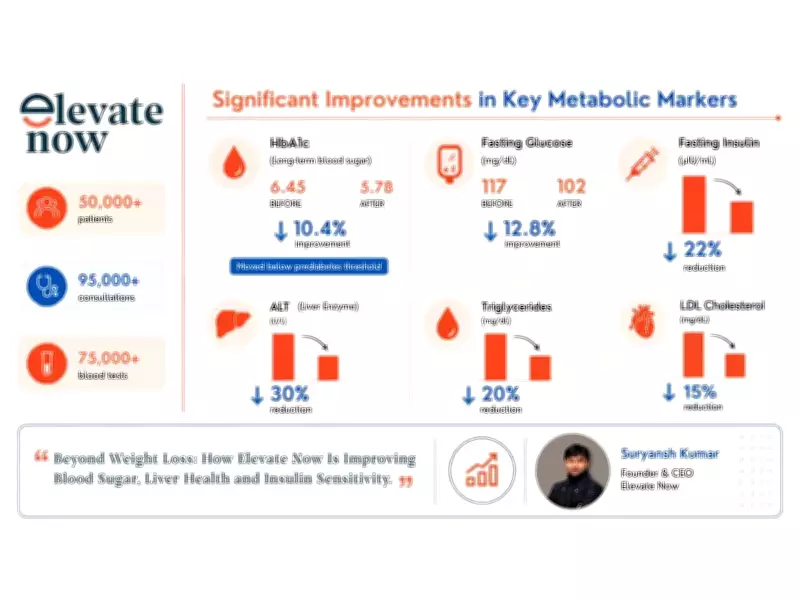
The report documented meaningful improvements among patients who entered the programme with elevated baseline values. Average HbA1c levels declined from 6.45 to 5.78, moving below the prediabetes threshold. Fasting glucose levels improved from 117 mg/dL to 102 mg/dL, while fasting insulin levels fell by more than 22%, indicating improved insulin sensitivity. Liver health also showed substantial gains, with ALT levels declining by more than 30%. Cardiovascular risk markers followed a similar trend, with triglycerides reducing by over 20% and LDL cholesterol falling by nearly 15%.
Redefining Success in Obesity Care
Obesity is increasingly being recognised as a chronic metabolic disease rather than simply a lifestyle challenge. For many patients, excess weight coexists with insulin resistance, prediabetes, fatty liver disease, inflammation and hormonal dysfunction. While weight loss remains important, addressing these underlying conditions may ultimately have a greater impact on long-term health outcomes. This is where metabolic reversal becomes relevant: improving blood sugar control, insulin sensitivity and liver health can reduce future disease risk while helping patients build a healthier metabolic foundation.

Industry Shift Toward Long-Term Outcomes
As healthcare systems worldwide shift focus from short-term weight reduction to long-term health outcomes, metabolic health is emerging as a more meaningful measure of success. Suryansh Kumar, Founder & CEO of Elevate Now, commented: 'For years, obesity treatment has been judged almost entirely by weight loss. But obesity is fundamentally a metabolic health condition, which means the most meaningful outcomes often happen beyond the scale. What excites us about this data is that we're seeing improvements across markers linked to diabetes, insulin resistance and liver health. At Elevate Now, we're building a healthcare platform focused on helping patients improve their overall metabolic health, because that's what ultimately drives sustainable outcomes and long-term wellbeing.'
Programme Scale and Methodology
Elevate Now combines medical consultations, diagnostics, personalised nutrition, fitness guidance and behavioural coaching to address the underlying drivers of weight gain and metabolic dysfunction. The company now serves more than 50,000 patients across India and has delivered over 95,000 consultations while processing more than 75,000 blood tests. This growing dataset continues to provide insights into the relationship between obesity, metabolic health and long-term outcomes.
Implications for India's Rising Metabolic Disease Burden
With obesity, diabetes and fatty liver disease continuing to rise across India, the findings suggest that the future of obesity treatment may require a broader definition of success. Weight loss will always matter, but the more important question may be whether patients are becoming metabolically healthier. According to Elevate Now's latest data, that transformation is already underway.