Behind the Scenes: The Grueling Journey to Mint's Acclaimed Budget Edition
In The Beat Report, Mint's journalists offer unique insights into their specialized fields, dissecting emerging trends and sharing exclusive behind-the-scenes narratives from their reporting. This week, data editor Tanay Sukumar unveils the intricate, months-long process that culminates in the newspaper's highly respected Budget edition—a publication that faces scrutiny rivaling the Budget itself.
A Year of High-Stakes Journalism
The past year has been exceptionally news-heavy, with major stories emerging at an alarming yet thrilling frequency, often at odd hours. Key events included unexpected US tariffs, Operation Sindoor, and late-night overhauls of the goods and services tax. One editor even voluntarily leapt from her hotel bed while on vacation to film a video explaining new labor codes. However, as any seasoned journalist will attest, nothing compares to the intensity of Budget day.
Last Sunday marked Tanay's 12th Budget in the profession. Editors, reporters, and designers—some with over two decades of experience—begin preparations weeks or even months in advance. The stakes are immense: Mint's Budget edition is widely revered, and the team bears the burden of surpassing their own standards annually. Readers rely on Mint's digital platforms to navigate the chaos of Budget day in real time, making the effort both critical and high-pressure.

The Early Planning Phase
The editor-in-chief convened the first Budget meeting on 31 October 2025. While many questions were met with responses like "We’ll know this only on Budget day" or "We’ll play it by ear," the meeting was far from fruitless. Its purpose was to initiate momentum. In Mint's lean newsroom, daily workflows often hinder planning even two days ahead, so an early start, however modest, is crucial. By the end of this 3 PM meeting, tasks were assigned, and a preliminary plan was established.
Teams Spring into Action
Two teams immediately shouldered significant responsibilities: the policy bureau and the design team. Journalists' pride hinges on well-placed sources with access to critical information. Mint's policy reporters, frequently stationed in central Delhi's ministry offices, serve as a reliable crystal ball for predicting Budget elements. Their initial task involved sensing shifts within the finance ministry and line ministries to secure accurate leads. This behind-the-scenes reporting, though unpublished, helped shape the "Reform Runway" theme used for editorial and marketing campaigns. Starting in late November, reporters published daily stories on Budget expectations, nearly all of which proved accurate.
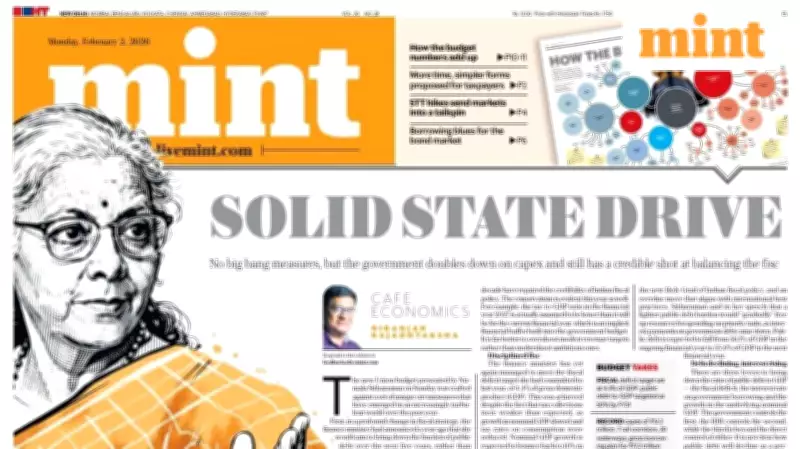
Meanwhile, the design team approached each year as a blank canvas. A Budget edition features dozens of stories, charts, columns, and analyses, yet its grandeur must reflect its annual significance. Illustrations were commissioned early, with multiple front-page designs created, rejected, revised, and finalized. The challenge was to maintain Mint's elegant design aesthetic amid the emotional frenzy of Budget day, offering readers a sense of calm amidst the noise.
The January Crescendo
Preparation peaked in January as more contributors joined the effort. Activities ranged from running Budget polls and quizzes for digital readers to coordinating with expert columnists and analysts for insights on 1 February. It was a colossal team endeavor where few sought credit; the focus was solely on execution, regardless of one's role.
Senior editors mentored junior colleagues, familiarizing them with Budget documents to ensure they could quickly locate information, interpret announcements in historical context, and remain composed during the day's drama. Newcomers, though excited, often felt nervous, but thorough training prepared them for the high-pressure environment.
The Final Marathon: Budget Day
On the big day, staff trickled into the office by 9 AM, managing live blogs, homepages, and final preparations while sharing comforting smiles and sandwiches. The editor-in-chief was omnipresent, soothing nerves and lightening the mood with jokes. He tested preparedness with two questions; correct answers could make one's day, while incorrect ones were met with humor rather than criticism.

The Budget speech commenced at 11 AM, with TV screens blaring across the newsroom as journalists took frantic notes. Some, overwhelmed by crowds, wore earphones, exchanging smiles during the finance minister's lighter moments or poetic readings. As the speech exceeded 60 minutes, weary glances were exchanged.
The newsroom's only relaxed moment came immediately after the speech ended. Staff calmly returned to their seats, savoring a minute of peace before the midnight deadline. Then, work intensified to prepare story ideas for a 2 PM meeting with the editor-in-chief. This meeting covered everything from the aggregate view of the Budget to minute details like story and graphic placement on each page.
The Home Stretch
Lunch packets arrived at desks, accompanied by the customary joke that veg biryani is merely pulao—cliches that helped sustain harried journalists. Stories were written, vetted, edited, and published throughout the day. Experts were consulted to understand announcement implications, designers selected final illustrations, and the desk implemented layout plans while brainstorming front-page headlines.
The personal finance team explained implications for common investors, while beat reporters—covering auto, jobs, education, industry, tech, and more—analyzed impacts on their niches. The data team critiqued the Budget through lesser-known numbers, and partners at howindialives.com compiled the popular centrespread detailing Budget inflows and outflows.
At 8 PM, top editors deliberated on final headlines for every page, aiming for classy, simple, and clever phrasing. Dinner—easy-to-eat items like rolls—was served at desks as typing continued toward the deadline. By 9 PM, bosses urged team members to leave, though many stayed to assist others until final rebukes sent them home.
Past midnight, page 1 closed with the headline 'Solid State Drive'—a multi-layered pun capturing the Budget's sentiment and themes. Behind the headlines and social media buzz lay months of meticulous effort across teams, each executing with precision. Any error in fact, interpretation, or spelling could undo the day's work. Yet, the team awoke with pride, relief, and steaming coffee, having delivered their best on the year's biggest day, ready for more challenges ahead.