

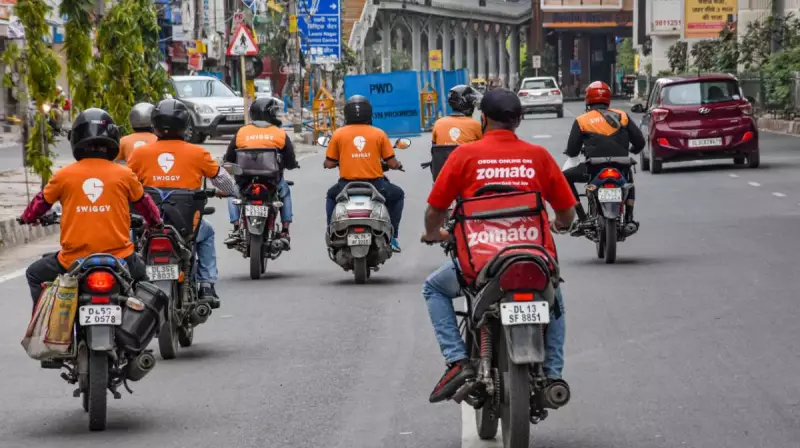
As the country geared up for New Year's Eve celebrations, a significant section of its workforce decided to raise their voices instead. Hundreds of thousands of gig workers associated with major food and grocery delivery platforms like Zomato, Swiggy, and Blinkit launched a nationwide strike on December 31, 2024. The coordinated action, one of the largest in India's platform economy, aimed to spotlight long-standing grievances over pay, working conditions, and a lack of social security.
Core Demands Behind the Nationwide Protest
The strike was not a spontaneous decision but the culmination of months of failed negotiations and unresolved issues. The workers, organized under the banner of the Indian Federation of App-based Transport Workers (IFAT), put forward a clear charter of demands. Central to their protest was the call for a minimum assured pay of ₹30,000 per month. This demand stems from the volatile nature of their earnings, which often fluctuate based on incentives, distance, and customer tips, making financial planning nearly impossible.
Beyond the paycheck, the strikers are pushing for formal recognition of their employment status. They demand to be classified as 'workers' under relevant laws, which would grant them access to crucial legal protections and benefits currently denied to them as 'partners' or 'independent contractors'. These benefits include:

- Provident Fund (PF) contributions for retirement security.
- Employee State Insurance (ESI) for health coverage.
- Paid sick leave and holiday allowances.
Another critical point of contention is the opaque algorithm-based management system. Workers demand transparency in how pay is calculated, how orders are assigned, and the reasons behind sudden account deactivations or 'blocking'. They seek a fair and human-reviewed grievance redressal mechanism to challenge unfair ratings and penalties.
Immediate Impact on Consumers and Platforms
The timing of the strike, on one of the busiest nights for food delivery services, was strategic to maximize impact. Consumers in major metropolitan cities like Delhi, Mumbai, Bengaluru, Hyderabad, and Kolkata reported severe delays, unavailability of delivery executives, and outright cancellation of orders. Many restaurants listed on these apps were shown as 'closed' as the platforms struggled to manage the sudden shortage of riders.
Social media was flooded with user complaints about waiting for hours for their meals or groceries. The disruption also extended to quick-commerce services like Blinkit and Instamart, where promises of 10-30 minute deliveries were broken. This highlighted the immense reliance of urban India on these platforms and the vulnerability of a system built on a flexible, yet often precarious, workforce.
While the platforms have not released official statements acknowledging a full-scale strike, internal communications reportedly urged restaurant partners to prepare for delays and informed customers of longer than usual delivery times. The event has forced a public conversation about the true cost of convenience and the sustainability of the current gig economy model.
The Larger Battle for Rights in the Gig Economy
This December 31st strike is a pivotal moment in the ongoing struggle for gig worker rights in India. It follows similar, albeit smaller, protests in the past and comes amidst global scrutiny on companies like Uber and Deliveroo. The workers' action underscores a collective move from isolated grievances to organized, pan-India mobilization.
The success or failure of this strike will likely influence upcoming policy discussions. The Indian government has been deliberating on a Social Security Code that could extend some benefits to gig workers, but implementation has been slow. This protest serves as a powerful reminder to policymakers and platform companies alike that the issue is urgent and cannot be ignored.

For the average user, the night of December 31st was an inconvenience. For the delivery executive, it was a calculated risk—forgoing a night of high-demand earnings to fight for a more stable and dignified future. As the new year begins, the question remains: will this strike lead to meaningful dialogue and reform, or will it be just another footnote in the evolving story of India's digital workforce?





