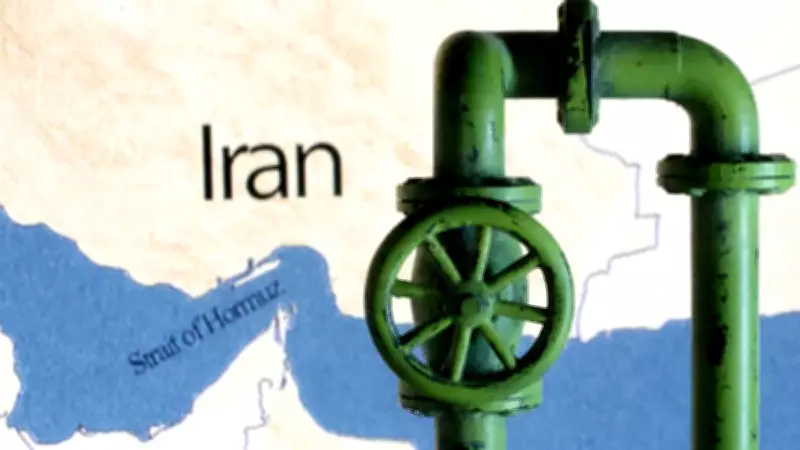
Oil Prices Could Surge Past $100 as Strait of Hormuz Closure Threatens Global Supply
The global oil market is facing a significant risk as tensions escalate around the Strait of Hormuz, a vital maritime chokepoint. Experts warn that a potential closure of this strategic waterway could halt approximately 20% of the world's oil flows, potentially driving crude prices above $100 per barrel. This scenario would have far-reaching implications for energy markets, economies, and consumers worldwide.
Critical Role of the Strait of Hormuz
The Strait of Hormuz, located between Oman and Iran, is one of the most important oil transit routes globally. It serves as a gateway for oil exports from major producers in the Middle East, including Saudi Arabia, the United Arab Emirates, Kuwait, and Iraq. Every day, around 21 million barrels of oil pass through this narrow strait, accounting for roughly one-fifth of global oil consumption. Any disruption here could immediately tighten supply and trigger price spikes.
Factors Driving the Closure Threat
Several geopolitical and security factors contribute to the heightened risk of a Strait of Hormuz closure. Regional conflicts, military tensions, and political instability in the surrounding areas have raised concerns about the safety of maritime traffic. In recent years, incidents such as attacks on oil tankers and diplomatic standoffs have underscored the vulnerability of this route. Analysts point to ongoing disputes and the potential for escalations that could lead to a temporary or prolonged shutdown.

Impact on Global Oil Prices and Markets
If the Strait of Hormuz were to close, the immediate effect would be a sharp reduction in oil supply, likely pushing Brent crude prices well above $100 per barrel. This price surge would ripple through the global economy, affecting:
- Transportation costs, leading to higher fuel prices for consumers and businesses.
- Inflation rates, as energy costs influence the prices of goods and services.
- Stock markets, particularly energy and transportation sectors, which could see volatility.
- Alternative energy sources, potentially accelerating investments in renewables and shale oil.
Historically, disruptions in the Middle East have caused oil price shocks, and a closure of this magnitude could replicate or exceed past crises.
Preparedness and Mitigation Strategies
Countries and oil companies are not standing idle in the face of this threat. Strategic petroleum reserves held by nations like the United States, China, and India could be tapped to cushion the impact. Additionally, efforts to diversify oil supply routes and increase production from other regions, such as the United States shale fields or offshore projects, are underway. However, these measures might only partially offset the loss of Hormuz flows, given the sheer volume involved.
Long-Term Implications for Energy Security
The potential closure of the Strait of Hormuz highlights the fragility of global energy security. It underscores the need for:
- Enhanced diplomatic efforts to stabilize the region and ensure safe passage.
- Investment in infrastructure for alternative transport routes, such as pipelines.
- Accelerated transition to renewable energy to reduce dependence on oil.
As the world grapples with climate change and energy transitions, such disruptions serve as a stark reminder of the interconnectedness of geopolitics and economics.
In summary, while the closure of the Strait of Hormuz remains a risk rather than a certainty, its potential to halt 20% of global oil flows and push prices above $100 per barrel demands close monitoring. Stakeholders across governments, industries, and markets must prepare for contingencies to mitigate the economic fallout.