

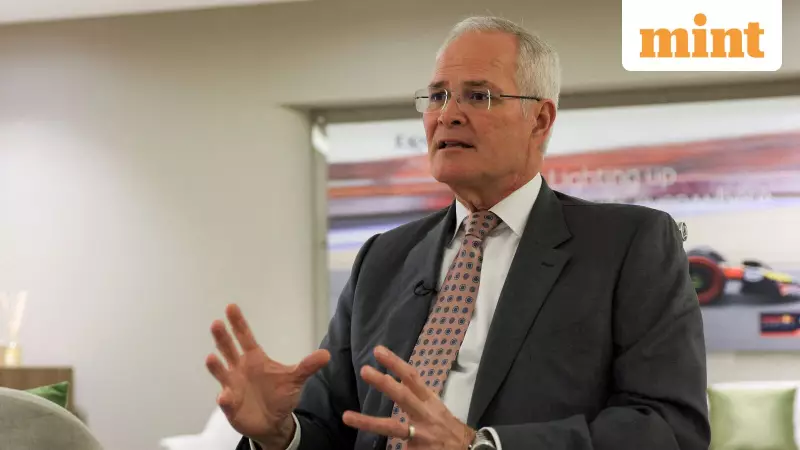
Top executives from leading American oil corporations have delivered a stark message to US President Donald Trump: pouring money into Venezuela's crippled energy sector would require a monumental overhaul of the country's legal and commercial frameworks. The pushback came during a high-stakes meeting at the White House on Friday, where Trump urged nearly 20 industry leaders to commit to a massive rebuilding effort.
Why Oil Giants Are Hesitant to Bet on Venezuela
President Trump convened the meeting in the East Room, advocating for a potential $100 billion investment to revive oil operations in the resource-rich South American nation. However, the reception from the executives was marked by deep caution and skepticism. The most forceful reservations came from Exxon Mobil Corp Chief Executive Officer Darren Woods, who bluntly labeled the country "uninvestable."
Woods pointed to Exxon's painful history in Venezuela, where the company has seen its assets seized by the government on two separate occasions. "We've had our assets seized there twice and so, you can imagine, to re-enter a third time would require some pretty significant changes," Woods stated. He emphasized that the current conditions make any major financial commitment untenable, questioning the durability of legal protections and potential returns.

The High Stakes and Shaky Ground for Investment
The White House discussion occurred less than a week after a significant escalation in tensions, with the US capturing Venezuela's President Nicolas Maduro on drug-related allegations and conducting military strikes that reportedly killed around 100 people. This volatile backdrop adds another layer of risk for corporations considering long-term investments.
Analysts, cited in an AFP report, suggest Trump's drive to resuscitate Venezuela's oil industry is built on "shaky economic and strategic ground." While Venezuela sits on proven reserves of roughly 300 billion barrels of oil, experts note that several critical barriers prevent these resources from being quickly or profitably tapped:
- Outdated and crumbling infrastructure.
- Persistent political instability.
- The high cost of extracting Venezuela's heavy crude oil.
- Global investor unease as the world gradually shifts away from fossil fuels.
Energy analyst Rich Collett-White of Carbon Tracker highlighted the gap between reserve size and economic viability, telling AFP, "what's often missing from the conversation is how realistic it is for those to be economically extracted."
What Would It Take for Big Oil to Return?
For executives like Darren Woods, the path forward is clear but challenging. Significant, durable reforms must precede any capital commitment. Woods outlined the key questions his company needs answered: "How durable are the protections from a financial standpoint? What will the returns look like? What are the commercial arrangements, the legal frameworks?"
He concluded that "all those things have to be put in place" before Exxon could make a decision impacting its operations for decades. This stance indicates that despite political pressure from the Trump administration, US oil majors will not rush into Venezuela without ironclad guarantees and a fundamentally transformed investment climate. The ball is now in the court of policymakers to create those conditions if they wish to unlock the vast, yet currently untouchable, oil wealth of Venezuela.






