

Navigating Payroll Compliance: Common Pitfalls and Proactive Solutions
In the complex landscape of business operations, payroll compliance stands as a critical yet often overlooked area. Many companies, from small startups to large corporations, inadvertently make errors that can lead to significant financial penalties, legal disputes, and reputational damage. Understanding these common payroll compliance mistakes and implementing robust strategies to avoid them is essential for maintaining smooth business functions and adhering to regulatory standards.
Misclassification of Employees: A Costly Oversight
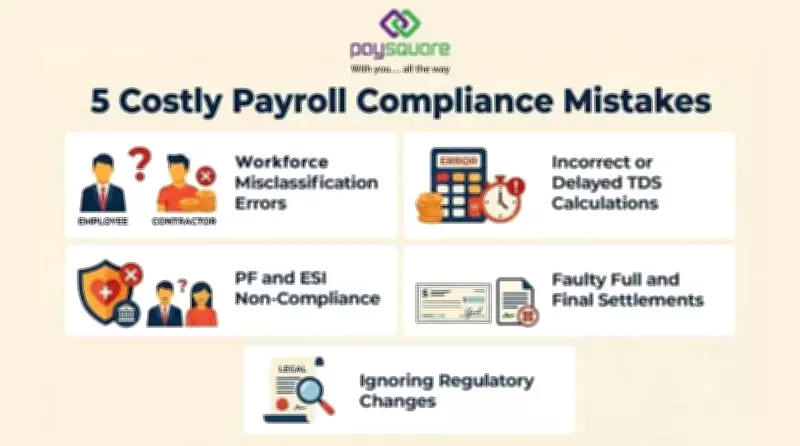
One of the most prevalent payroll compliance errors involves the misclassification of workers. Businesses sometimes incorrectly label employees as independent contractors to reduce costs associated with benefits, taxes, and insurance. This mistake can trigger audits and hefty fines from tax authorities. To avoid this, companies must carefully review employment laws and use clear criteria, such as the level of control over work and the nature of the relationship, to determine proper classification. Regular audits and consultations with legal experts can help ensure accuracy.
Late or Inaccurate Tax Filings: A Recipe for Penalties
Failing to file payroll taxes on time or submitting inaccurate reports is another common compliance blunder. This includes errors in calculating income tax, social security contributions, and other statutory deductions. Such oversights can result in interest charges, penalties, and even legal action. Businesses should implement automated payroll systems that track deadlines and generate accurate reports. Additionally, training staff on tax regulations and conducting periodic reviews can minimize risks.

Inadequate Record-Keeping: The Foundation of Compliance
Poor record-keeping practices often undermine payroll compliance. Companies may not maintain detailed records of employee hours, wages, tax withholdings, or benefit accruals, making it difficult to verify compliance during audits. To address this, businesses should adopt digital record-keeping solutions that securely store data for the required retention periods. Establishing clear protocols for documentation and regularly updating records can prevent discrepancies and ensure transparency.
Non-Compliance with Minimum Wage and Overtime Laws
Violations of minimum wage and overtime regulations are frequent compliance issues, especially in industries with variable work hours. Businesses might miscalculate overtime pay or fail to account for all compensable time, leading to underpayment claims. To avoid this, companies must stay informed about local and national wage laws, use time-tracking tools to monitor hours accurately, and review payroll calculations for consistency. Implementing fair wage policies and conducting internal audits can further safeguard against violations.
Overlooking Statutory Benefits and Deductions
Another common mistake is neglecting mandatory benefits and deductions, such as provident fund contributions, health insurance, or leave encashment. This can arise from a lack of awareness about evolving regulations or administrative oversights. Businesses should regularly update their knowledge of statutory requirements and integrate them into payroll processes. Partnering with compliance experts or using specialized software can help automate these deductions and ensure full adherence.
Strategies to Enhance Payroll Compliance
To mitigate these risks, businesses can adopt several proactive measures. Investing in reliable payroll software that automates calculations and filings reduces human error. Conducting regular compliance audits helps identify and rectify issues early. Training HR and finance teams on current laws and best practices is crucial for maintaining accuracy. Additionally, seeking guidance from legal or financial advisors can provide tailored solutions for complex scenarios.
By addressing these common payroll compliance mistakes, companies can not only avoid penalties but also foster a trustworthy work environment. Prioritizing compliance as an integral part of business strategy ensures long-term sustainability and operational efficiency.






