Powell Investigation Throws Wrench into Fed Chair Selection Process
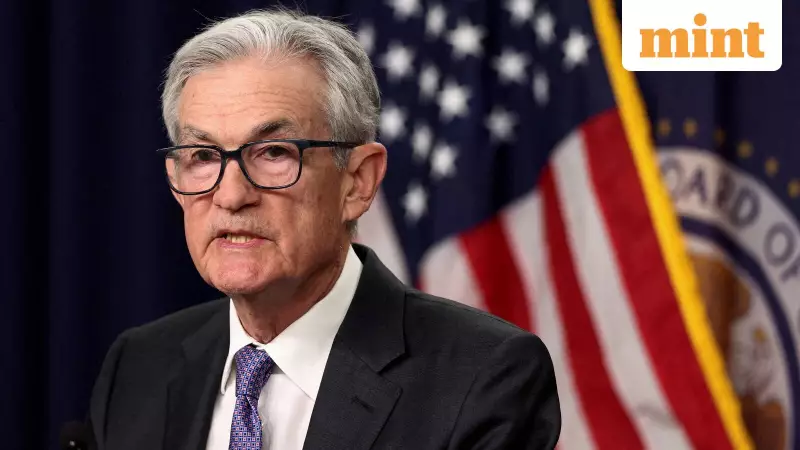
A criminal probe targeting Federal Reserve Chair Jerome Powell has dramatically altered the final stages of the contest to choose his successor. This development injects fresh uncertainty into President Donald Trump's decision-making process. It also amplifies longstanding concerns about the central bank's independence from political pressure.
Loyalty Versus Independence: A Central Conflict
President Trump has consistently stated he values loyalty in his appointees. However, the Justice Department investigation, which Powell claims is a pressure tactic to force interest rate cuts, now makes that very loyalty a potential weakness. The backlash from Capitol Hill means any nominee will face a delicate balancing act during Senate confirmation hearings this spring.
"Trump is making it very difficult by saying he refuses to appoint anyone who doesn’t agree with him," noted Janet Yellen, the former Fed chair and Treasury secretary. "That starting point undermines a person's credibility from the outset."

Senators Draw a Line, Demand Probe Resolution
Lawmakers are expressing clear unease. Two Republican senators, Thom Tillis of North Carolina and Lisa Murkowski of Alaska, declared this week they will not vote for any nominee until the investigation into Powell is resolved.
"I wouldn’t consider my mother for the post under the current conditions," Senator Tillis stated firmly. "We must resolve this foundational matter before making decisions about the board's future." As a member of the Senate Banking Committee, Tillis holds significant influence and could delay a nomination with Democratic support.
Tillis suggested that candidates perceived as close to Trump would face intense scrutiny. "If you’re working alongside somebody for a while, can you really be as independent, even if you think you can be?" he questioned. He pointed to Fed Governor Christopher Waller, a contender without close White House ties, as someone who "would certainly address a lot of the concerns."
The Leading Contenders and Their Challenges
The race has largely centered on two individuals: former Fed governor Kevin Warsh and White House National Economic Council director Kevin Hassett. Hassett's proximity to the president once made him a frontrunner, but the investigation has turned that asset into a possible liability.
Hassett's difficult position became evident this week. After expressing hope that "everything turns out OK" for Powell, he defended the Justice Department probe as legitimate government oversight. This stance put him at odds with lawmakers who view it as politically motivated.
"It’s part of government to have people look at you," Hassett said on CNBC, comparing the criminal investigation to routine inspections. His comments drew sharp criticism. Jason Furman, a former economic adviser to President Obama, called it "sad but unsurprising" to see Hassett accept the inquiry as legitimate.
Trump's Deliberations and the Investigation's Core
President Trump has kept his advisors guessing. Sources indicate the contest remains between Warsh and Hassett, with the lead "sort of depends on the day." While Trump appreciates Hassett's televised defense of his policies, other advisors are preparing for a potential successor in his current role.
The investigation itself focuses on whether Powell misled Congress about a Fed building renovation project last summer. Powell asserts the probe is a pretext to intimidate the central bank into cutting rates. Lawmakers from both parties have questioned its basis, with several Republicans opposing its escalation into a criminal case.
Larry Kudlow, former director of the National Economic Council, stated on Fox News that Trump likely cannot confirm a Fed chair pick until the investigation against Powell is withdrawn.
Practical Implications and Board Dynamics
The probe introduces a significant practical complication. The Trump administration wants Powell to leave the Fed entirely when his chairmanship ends in May. However, Powell's term as a governor extends to 2028. The investigation raises the possibility Powell might refuse to resign if the administration uses it as leverage.

Analysts suggest Powell may be more willing to vacate his seat if a respected colleague like Christopher Waller is chosen as the new chair. This would give President Trump an additional board seat to fill this year, alongside the expiring term of Governor Stephen Miran.
The criminal investigation has undeniably upended the final stretch of the Fed chair contest. It forces a stark examination of how a nominee can satisfy a president demanding loyalty while also convincing senators and markets of their unwavering independence. The coming weeks will reveal how this high-stakes conflict resolves.