

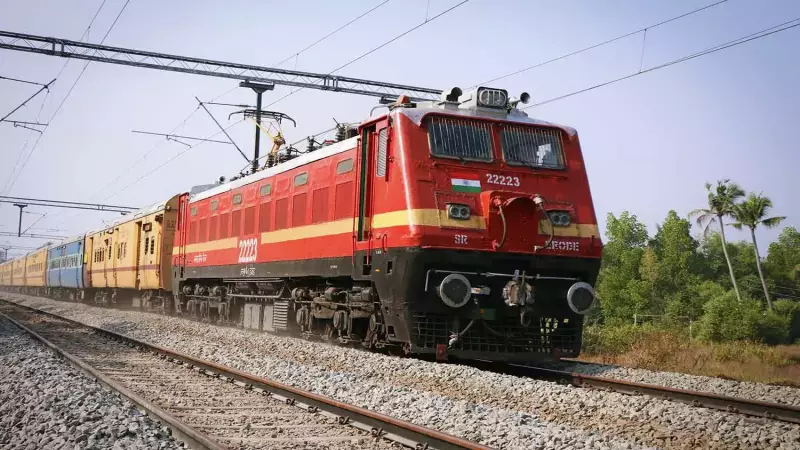
In a significant move impacting millions of daily commuters and long-distance travelers, Indian Railways has announced a revised fare structure set to take effect from December 26. This fare rationalisation exercise is aimed at addressing the substantial rise in operational and manpower costs faced by the national transporter.
What is the New Fare Structure?
The revision introduces marginal increases for most passenger categories, while offering relief to some. Passengers travelling up to 215 km in Ordinary Class will see no change and will continue to pay the existing fares. However, for journeys beyond this distance, Ordinary Class fares will increase by 1 paise per kilometre.
For those using non-AC coaches on Mail and Express trains, the fare will rise by 2 paise per kilometre. This translates to an additional cost of about Rs 10 for a 500 km journey. Similarly, passengers travelling in AC classes on Mail and Express services will also pay 2 paise more per kilometre from the effective date.

In a welcome decision for daily commuters, the Railways has kept fares for suburban and monthly season tickets unchanged, shielding a vast section of the population from the price hike.
Why Are Fares Being Increased?
The decision follows a period of rapid expansion and modernization of the railway network over the past decade. Officials cite a massive increase in operational expenditure, which for the fiscal year 2024–25 has reached Rs 2,63,000 crore. A major component of this is manpower, with related costs soaring to Rs 1,15,000 crore. Pension liabilities have also grown significantly, now standing at Rs 60,000 crore.
To manage these financial pressures, the Railways is adopting a dual strategy: boosting revenue from higher cargo loading and implementing this limited passenger fare rationalisation. The organization highlighted that these financial measures have contributed to improved safety records and better operational performance.
Broader Context and Railway's Growth
The fare revision comes at a time when Indian Railways has achieved a global milestone, becoming the second-largest cargo-carrying railway system in the world. This reflects the massive scale and growth of its freight operations. The system's enhanced efficiency was also demonstrated recently with the successful mobilization of more than 12,000 trains during the festival season to manage peak passenger demand.
The revised fare structure is expected to generate additional revenue of approximately Rs 600 crore in the current financial year. This income will be channeled back into maintaining and improving the sprawling network, ensuring safety, and supporting the continued expansion of services across India.






