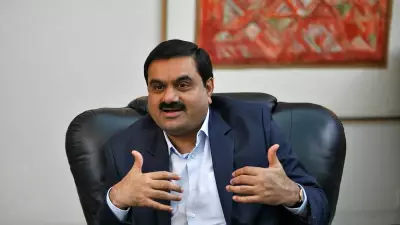
Reliance Industries Ltd., the Indian conglomerate led by billionaire Mukesh Ambani, has reportedly halted all imports of Russian crude oil for the month of January. This significant shift comes as the company navigates complex payment challenges and the tightening grip of international sanctions.
Payment Issues and Sanctions Halt Shipments
The core reason for this pause in shipments is a combination of payment complications and the increasing enforcement of sanctions by Western nations. Reliance, which operates the world's largest refining complex at Jamnagar in Gujarat, is not expecting any deliveries of Russian crude oil cargoes for January. This marks a notable change from the previous pattern where Russian oil constituted a major part of Reliance's feedstock.
Industry sources indicate that the primary hurdle involves difficulties in settling payments for the oil. The price cap mechanism enforced by the G7 nations, the European Union, and Australia restricts the use of Western maritime services for Russian oil sold above a set price. This has created a complex environment for financial transactions, making it challenging for companies like Reliance to continue seamless imports.

Impact on India's Oil Import Strategy
This development has direct implications for India's broader energy import strategy. Following Russia's invasion of Ukraine, India emerged as one of the largest buyers of discounted Russian crude. This strategic move helped the country manage its import bill and provided refiners with cost-effective feedstock.
Reliance, along with state-owned refiners, was at the forefront of this shift. The sudden halt in Reliance's imports from Russia suggests a recalibration of risk. The company is known for its prudent approach to managing geopolitical and compliance risks in its supply chain. This pause allows it to assess the evolving sanctions landscape and ensure its operations remain unaffected by potential secondary sanctions.
Looking Ahead: Sourcing Alternatives and Market Dynamics
In the absence of Russian barrels, Reliance is expected to turn to alternative sources to feed its refineries. The company may increase purchases from traditional suppliers in the Middle East, as well as from regions like Africa and the United States. This could slightly increase its crude procurement costs in the short term.
The situation remains fluid. Whether this is a temporary pause for January or signals a longer-term strategic shift will depend on how the payment issues are resolved and the future trajectory of global sanctions. Other Indian refiners are also closely watching the situation, as their own import strategies could be influenced by Reliance's actions and the ongoing challenges in dealing with Russian oil.
This move by one of India's largest private sector entities underscores the growing complexities of global energy trade in a geopolitically charged environment. It highlights how international policies can directly influence the operational decisions of major corporations, reshaping trade flows and market dynamics in real-time.