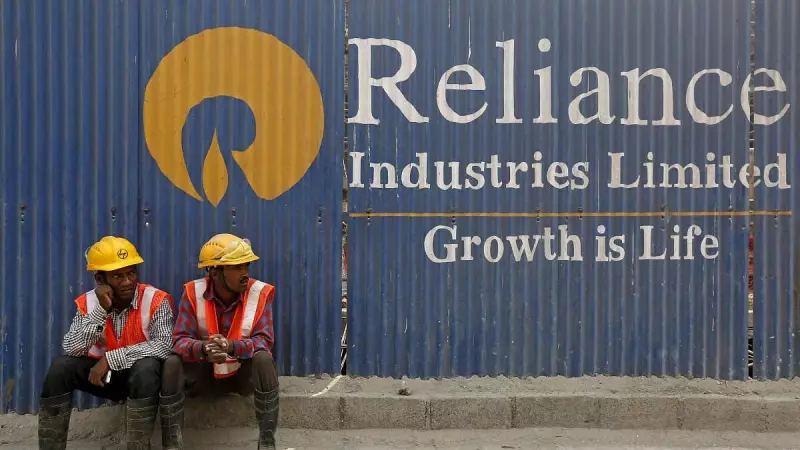
In a significant development for India's energy sector, Reliance Industries Limited is reportedly evaluating a potential return to purchasing crude oil from Venezuela. This consideration marks a potential shift in strategy for the Indian conglomerate, which had ceased imports from the South American nation in early 2026.
Why Reliance Stopped Venezuelan Imports
The initial halt in purchases was a direct response to actions taken by the United States government. In March 2026, the US administration announced the imposition of a 25% tariff on nations importing crude oil from Venezuela. This punitive measure was part of broader international sanctions and trade policies aimed at the Venezuelan government. Following this announcement, Reliance Industries, a major global energy player, suspended its oil trade with Venezuela to avoid the financial impact of the hefty tariff and to navigate the complex geopolitical landscape.
Factors Behind the Potential Policy Reversal
The renewed consideration to re-enter the Venezuelan oil market is driven by several strategic and economic factors. Global crude oil prices and supply dynamics are constantly in flux, and securing diverse sources is crucial for energy security. Venezuela possesses some of the world's largest proven oil reserves, making it a potentially attractive supplier for energy-hungry nations like India. Experts suggest that Reliance may be assessing whether the current global price environment and potential discounts on Venezuelan crude could offset the risks associated with the US tariff. Furthermore, shifts in diplomatic relations or specific exemptions could also be influencing this reevaluation.

Implications for India's Energy Landscape
If Reliance Industries decides to proceed, it could have notable consequences. For India, it would mean diversifying its crude oil import portfolio, which could enhance energy security bargaining power. For Reliance, access to Venezuelan heavy crude is particularly suitable for its complex refineries in Jamnagar, Gujarat, which are designed to process a wide variety of crude grades. However, the move is not without risks. The primary challenge remains the 25% US tariff, which would significantly increase the cost of such imports unless waivers or new trade terms are negotiated. The company's decision will be closely watched as a barometer of how global corporations are adapting to evolving trade policies and energy geopolitics.
The final decision rests with the leadership of Reliance Industries, who will weigh the economic benefits against the geopolitical and financial costs. This development underscores the intricate balance that global energy giants must maintain between market opportunities and international compliance.