Silver and Gold Prices Tumble as US Dollar Firms Up
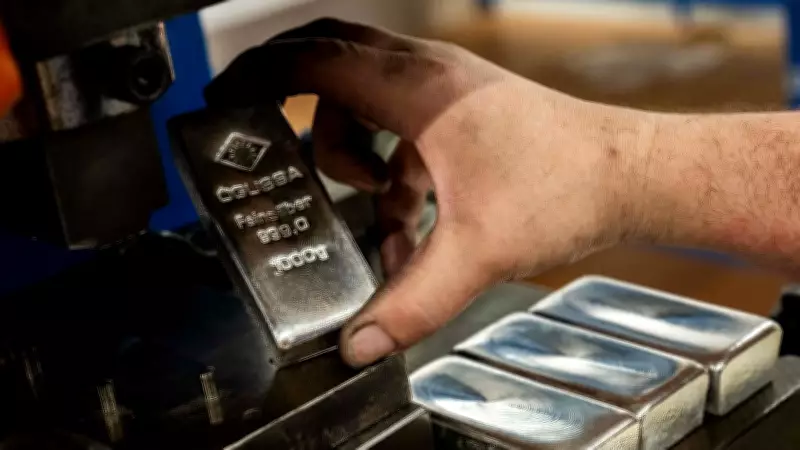
On Tuesday, February 10, 2026, the precious metals market witnessed a significant downturn, with silver rates declining by approximately 2% and gold prices falling over 1%. This weakness emerged as the US dollar strengthened from a more than one-week low, putting pressure on dollar-denominated assets. Investors are exercising caution ahead of crucial US jobs and inflation data scheduled for later this week, which are anticipated to provide clearer signals regarding the future path of interest rates.
Domestic and Global Market Performance
In the domestic Indian market, MCX silver prices dropped 2% to ₹2,57,715 per kilogram. Meanwhile, gold showed some resilience, with MCX gold prices rising 2% to ₹1,56,001 per 10 grams, recovering part of earlier losses. However, the global market painted a bleaker picture. Spot silver fell 2.5% to $81.31 per ounce, following a nearly 7% jump in the previous session. It is noteworthy that silver had reached an all-time high of $121.64 per ounce on January 29, 2026.
Similarly, spot gold declined 1% to $5,016.56 per ounce by 0055 GMT, after gaining 2% on Monday when the dollar weakened. Gold had also scaled a record high of $5,594.82 per ounce on January 29. US gold futures for April delivery eased 0.8% to $5,041.60 per ounce. Other precious metals remained under pressure, with spot platinum slipping 1.6% to $2,088.71 per ounce and palladium declining 1.7% to $1,710.68 per ounce.

Historical Context and Current Trends
Overall, precious metals continue to trade well below their recent peaks and are still searching for a bottom after a historic rout. Gold and silver had tumbled from all-time highs at the end of last month following a record-breaking rally. Specifically, silver has crashed over 38% from its record high of around ₹4,20,000 per kg hit on January 29, 2026, translating to a decline of approximately ₹1.68 lakh from the peak. It is up only about 6% so far in 2026. Gold, meanwhile, is down roughly 11% from its January 29 peak, though it remains up around 15% this year.
Key Factors Driving the Decline
The primary reason for the fall in silver and gold prices is the strengthening of the US dollar index, which rose 0.2% from a more than one-week low hit in the previous session. A stronger dollar makes dollar-denominated metals like gold and silver more expensive for overseas buyers, reducing demand. Additionally, comments from White House economic adviser Kevin Hassett on Monday added to market uncertainty. He suggested that US job gains could slow in the coming months due to weaker labor force growth and higher productivity, feeding into ongoing debates at the Federal Reserve and potentially influencing upcoming policy decisions.
Investors are currently pricing in at least two 25-basis-point rate cuts in 2026, with the first expected in June. Non-yielding assets such as gold and silver typically benefit in a low interest rate environment, as lower rates reduce the opportunity cost of holding these metals. However, the current strength of the dollar is overshadowing this potential benefit.
What Lies Ahead for Precious Metals?
Market participants are closely monitoring key economic indicators for further cues. The US nonfarm payrolls report for January, due on Wednesday, and inflation data scheduled for Friday will be critical in shaping expectations for the Federal Reserve’s monetary policy trajectory. These data points could provide insights into whether the Fed will proceed with anticipated rate cuts, which would likely support precious metals, or if stronger economic data delays such moves, potentially keeping pressure on prices.
In summary, the precious metals market remains volatile, with silver and gold prices reacting sensitively to dollar movements and economic data. While both metals have seen significant declines from their January peaks, ongoing developments in US economic policy and global market conditions will determine their future trajectory. Investors should stay informed and exercise caution in this uncertain environment.