Tata Steel Leadership Advocates for Government Monitoring of Steel Imports and Predicts Price Surge
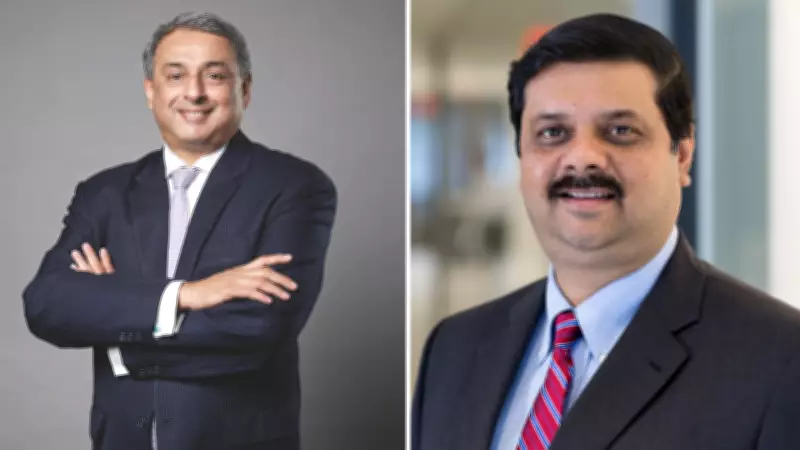
In a comprehensive interview, Tata Steel's Managing Director and CEO, TV Narendran, emphasized the necessity for the Indian government to maintain vigilance over unfairly priced steel imports. He concurrently projected a rise in domestic steel prices during the current quarter, signaling a potential shift in market dynamics.
Steel Price Outlook and Margin Expectations
Narendran indicated that steel prices appear to have reached their lowest point in the previous quarter. He anticipates an increase in Indian steel prices, with Tata Steel's realizations expected to be approximately Rs 2,200 higher per tonne in the fourth quarter compared to the third. Despite spot prices beginning to ascend, quarter-on-quarter realizations for the company might decline by about Rs 3,200 due to sales mix factors, including higher volumes in lower-price segments. Nonetheless, margins are forecasted to improve in Q4, supported by a volume increase of nearly half a million tonnes compared to Q3.
CFO Koushik Chatterjee elaborated on the company's financial resilience, noting that consolidated EBITDA margins have remained steady at around 15% over the last three quarters, despite challenging market conditions. This stability is attributed to a cost-reduction initiative launched earlier in the year. Chatterjee expressed confidence in sustaining these gains, with expectations of margin expansion in India following the full commissioning of the Kalinganagar plant and enhanced downstream product offerings.

Impact of EU Carbon Border Tax and Trade Dynamics
Narendran addressed the European Union's Carbon Border Adjustment Mechanism (CBAM), describing it as a carbon-equalization tax rather than a trade barrier. He clarified that CBAM will have minimal effect on Tata Steel's Indian operations, as the company exports limited steel to Europe. Conversely, it is viewed positively for the European business, as it aligns carbon costs for all suppliers in the region, potentially boosting prices and competitiveness.
Regarding the India-EU Free Trade Agreement (FTA), Chatterjee highlighted its role in fostering green steel collaboration. He explained that CBAM incentivizes Indian companies to adopt low-carbon technologies for exporting to the EU, where demand for environmentally friendly steel is rising due to increased spending on defense and infrastructure. This presents an opportunity for technological transition and market expansion.
Government Safeguards and Industry Requests
Narendran acknowledged the effectiveness of recent government safeguards in protecting the steel industry, particularly after their extension for two years, which provides long-term certainty. He urged continued monitoring of unfairly priced imports, emphasizing that the steel sector is a major private capital investor in India and should not be undermined by non-competitive practices. Additional requests included swift action on trade complaints and sustained infrastructure spending to bolster steel demand and reduce logistical costs.
Operational Challenges and Future Priorities
On operational fronts, Narendran discussed volatility in coking coal prices, citing dependence on Australian imports and market liquidity issues. He expressed confidence in maintaining high capacity utilization levels at Indian factories, driven by strong domestic demand from sectors like automotive and construction, despite concerns over payment delays affecting MSMEs.
Looking ahead, Tata Steel's priorities over the next three years focus on growth in India through volume expansion and product mix enhancement, financial and green transformation in European operations, and addressing social license challenges in the Netherlands. Narendran also addressed an ongoing Competition Commission of India probe, affirming compliance with due process and attributing steel price fluctuations to global market factors rather than anti-competitive behavior.
In summary, Tata Steel's leadership underscores a cautious optimism for the steel industry, advocating for protective measures while navigating international regulations and domestic growth opportunities.