Tesla Berlin Factory Faces Union Showdown as IG Metall Battles for Works Council Control
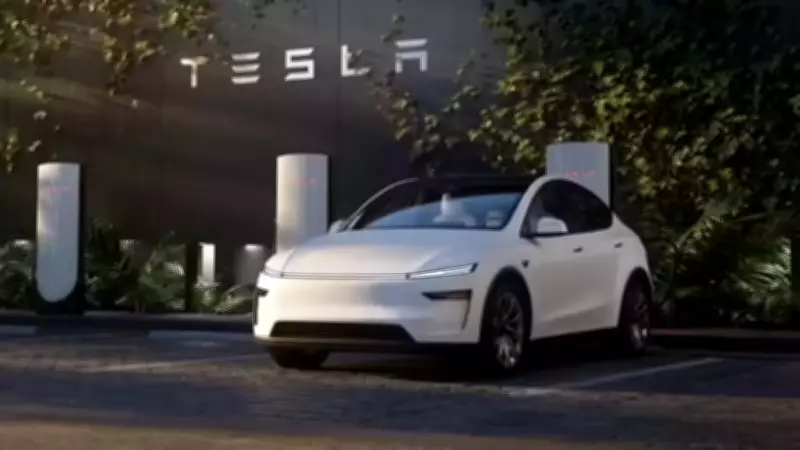
A significant labor dispute is escalating at Tesla's manufacturing facility near Berlin, where Germany's powerful IG Metall union is making a concerted push to secure majority control of the plant's works council. The pivotal election, scheduled from Monday to Wednesday, represents a critical juncture in the ongoing tensions between organized labor and management at the electric vehicle plant in Gruenheide.
The Stakes of the Works Council Election
The works council, an elected employee body responsible for negotiating pay, working conditions, and other labor matters with corporate management, constitutes a fundamental component of Germany's corporate governance structure. This is particularly true within the nation's prestigious automotive sector, where such councils traditionally maintain strong union representation and influence.
At Tesla's Brandenburg facility, however, relations between management and organized labor have been strained since the plant commenced operations in 2022. IG Metall has leveled serious accusations against the American automaker, citing poor working conditions and alleged covert reductions in workforce numbers. The union contends that the absence of a formal collective labor agreement leaves the factory's approximately 10,000 employees without adequate protections and standardized benefits.

In the previous works council election held in 2024, IG Metall secured 39 percent of the vote. However, four separate non-union lists subsequently coalesced to form a majority bloc that has been perceived as more aligned with management interests and less supportive of traditional union demands.
Unusual Dynamics in German Automotive Sector
Labor relations experts highlight that Tesla's situation represents an unusual configuration within Germany's established automotive industry. Ernesto Klengel of the Hans-Boeckler Foundation, a research institute affiliated with the German trade union movement, noted that the lack of a union majority on the works council makes Tesla "a real exception" among major automotive manufacturers operating in Germany.
Klengel further criticized Tesla management for what he characterized as a failure to prioritize constructive cooperation with employee representatives, a standard practice at other German automotive plants. This labor dispute compounds Tesla's broader challenges in the European market, where sales have encountered increasing pressure from competitive Chinese electric vehicle manufacturers offering more affordable alternatives.
Employee Perspectives and Allegations
Speaking outside the factory gates, several employees voiced concerns regarding workplace conditions. One logistics worker from Nigeria, who has been employed at the plant for three years and is among approximately 100 IG Metall candidates in the current election, accused management of systematically ignoring staff input and feedback.
The worker further alleged that employees from African communities face discriminatory barriers to career advancement, with fewer opportunities for promotions and leadership roles compared to their counterparts. Another employee, identifying himself as Vikram, reported that some workers have experienced harassment and encountered problems when attempting to take legally mandated breaks during their shifts.
Tesla management has not responded to specific requests for comment regarding these allegations. However, other employees expressed satisfaction with their employment conditions. A body shop worker named Ali stated he was content with his compensation package and benefits, which include share incentives and workplace facilities he described as adequate.
Management and Union Positions
Andre Thierig, Tesla's site director at Gruenheide, has publicly defended the company's approach in local media interviews. Thierig asserts that Tesla offers higher pay than many competitors in the region and has argued that traditional collective bargaining agreements are damaging Germany's industrial competitiveness in the global marketplace. In February, Thierig additionally accused a union member of secretly recording a works council meeting, an allegation that IG Metall has firmly rejected.

The union has stated it is preparing legal action in response to what it describes as systematic attempts to obstruct legitimate union activities at the facility. Tesla CEO Elon Musk has personally commented on the escalating dispute, warning that the company may halt further investment in the Berlin factory if the union gains majority influence through the works council election.
Broader Political and Regional Context
Jan Otto, IG Metall's regional head for eastern Germany, has called on Musk to respect and accept Germany's established system of co-determination and corporate democracy. Otto has further urged the Brandenburg state government to intervene in the dispute to ensure fair labor practices. The regional economy ministry has responded by encouraging all companies operating in Brandenburg, including Tesla, to sign collective agreements and provide attractive, sustainable working conditions for their employees.
This labor confrontation occurs against a backdrop of broader criticism Tesla has faced in Germany, particularly after CEO Elon Musk publicly expressed support for the far-right Alternative for Germany (AfD) party. The outcome of this week's works council election will significantly influence labor relations at one of Europe's most prominent electric vehicle manufacturing facilities and potentially set precedents for foreign automakers operating within Germany's distinctive industrial relations framework.