Tetra Pak has released its full-year 2025 Sustainability Report, detailing a 34% reduction in greenhouse gas emissions across its value chain compared to a 2019 baseline. This marks an improvement of nearly 12 percentage points from the previous year. The company also cut emissions from its own operations by 56% and achieved 97% renewable energy consumption.
Progress on Climate Goals
The report, the 27th from Tetra Pak, highlights the company's focus on translating emissions reductions into long-term food system resilience. By investing in areas that deliver the greatest long-term value, Tetra Pak aims to support more efficient and robust food production while reducing environmental impact.
Adolfo Orive, President & CEO of Tetra Pak, stated: "Feeding a growing global population is becoming ever more complex as environmental risks intensify. This is why we remain firmly committed to strengthening the resilience of the world's food systems. With clear, measurable targets in place, 2025 marked a year of tangible progress, including passing the milestone of a one-third reduction in greenhouse gas emissions across our value chain."

Climate and Nature Risk Assessment
In 2025, Tetra Pak developed and launched an integrated climate and nature risk and opportunity assessment to guide its actions and investment decisions. The assessment identified priority risks and opportunities to build resilience across operations and the value chain, supported by plans to address each area. The company also revised its Approach to Nature framework and introduced new or updated targets in response to industry developments.
Several initiatives were introduced to help customers reduce utility, material, and energy use by embedding a total cost of ownership mindset. This was reinforced by the launch of Tetra Pak Factory OS, a next-generation automation and digital ecosystem that combines modular, scalable technologies with deep industry expertise to help customers mitigate operational losses.
Key Achievements and Innovations
Tetra Pak remains on track to meet its long-term climate targets, including a 46% reduction in value chain GHG emissions by 2030, 100% renewable electricity consumption by 2030, and net-zero emissions by 2050. Other notable achievements in the FY25 report include:
- Investing approximately EUR 100 million in packaging research and development, leading to a world-first paper barrier for juice packages with a 43% lower carbon footprint than aseptic packages with aluminium foil and fossil-based polymer.
- Signing a Memorandum of Understanding with the United Nations Industrial Development Organization at COP30 to scale innovation in decarbonising food systems.
- Providing 68 million children across 52 countries with milk or other beverages through school feeding programmes, an increase of two million children and three additional countries from 2024.
- Conducting an in-depth review of priority human rights impacts along the full value chain.
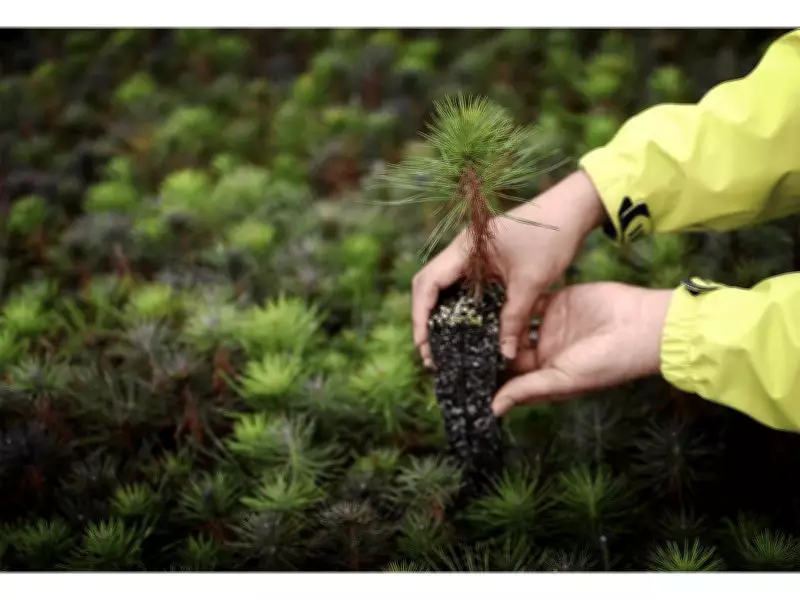
- Expanding restoration efforts through the Araucaria Conservation Project, adding over 1,600 hectares in 2025, more than doubling the total area under restoration in a single year.
The FY25 Sustainability Report is available online. Tetra Pak, with over 24,000 employees worldwide, serves hundreds of millions of people in more than 160 countries, committed to making food safe and available everywhere.