Three Days on the Road: A First-Hand Account of Life as a Delivery Rider
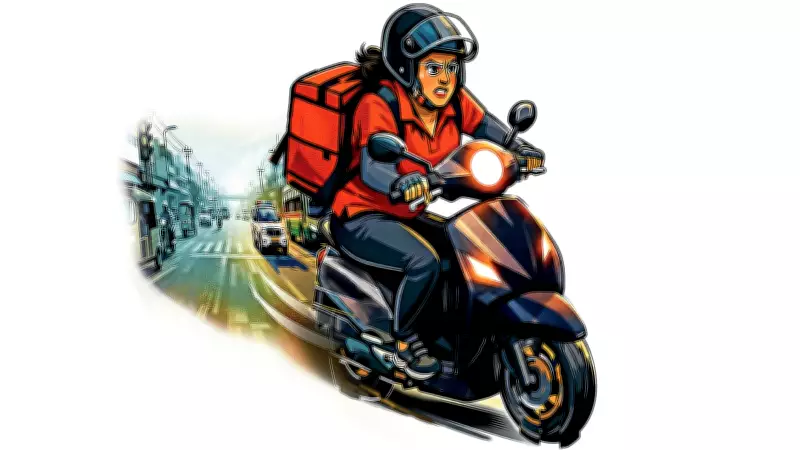
In an immersive experiment to understand the realities of India's rapidly expanding gig economy, a journalist recently spent three full days working as a delivery rider for a major food and parcel service. This deep dive into the world of on-demand logistics offers a raw, unfiltered look at the daily grind, financial pressures, and human connections that define this modern workforce.
The Daily Grind: More Than Just Deliveries
The experience began with a rigorous onboarding process, highlighting the formalization of what is often perceived as informal work. Riders must complete training modules on safety, navigation apps, and customer service protocols before hitting the streets. Once operational, the journalist quickly learned that the job demands far more than simply transporting items from point A to point B.
Key challenges observed included:

- Traffic and Navigation: Navigating congested urban streets, often under tight time constraints, proved physically and mentally exhausting. The reliance on GPS apps is absolute, yet they frequently fail to account for real-time roadblocks or last-mile complexities in dense residential areas.
- Weather Extremes: The work is relentless, regardless of scorching heat or sudden monsoon downpours. There are no official breaks, and rider safety is largely a personal responsibility.
- Algorithmic Pressure: The entire workflow is governed by a smartphone app that assigns orders, tracks location, and rates performance. Riders are constantly incentivized to accept more deliveries through dynamic payment structures, creating a high-pressure environment to maximize earnings.
The Financial Equation: Earnings vs. Expenses
A critical revelation from the three-day stint was the nuanced reality of rider income. While platforms advertise flexible earning potential, the net take-home pay is significantly affected by operational costs borne entirely by the rider.
"The per-delivery fee might seem decent on paper," the journalist noted, "but after accounting for fuel, vehicle maintenance, mobile data costs, and occasional meals on the go, the profit margin shrinks considerably." Riders often work 10-12 hour shifts to achieve a livable daily wage, with income highly variable depending on order volume, surge pricing during peak hours, and customer tips, which are inconsistent at best.
Human Stories on Two Wheels
Beyond the logistics and economics, the experience was rich with human interaction. Delivery riders often serve as fleeting but vital connectors in the urban fabric.
- Customer Interactions: Most exchanges were brief and transactional. However, instances of kindness—like a customer offering water on a hot day or expressing genuine thanks—stood out and significantly boosted morale.
- The Rider Community: At popular pickup locations like restaurant hubs, an informal community exists. Riders share tips on efficient routes, warn each other about difficult building complexes or customers, and offer camaraderie in a largely isolated job.
- Invisible Labor: The work makes visible a layer of labor that is essential yet often overlooked. Riders enable the convenience of millions but operate with limited social security, job stability, or formal recognition.
Systemic Observations and the Road Ahead
The experiment underscored several systemic aspects of the gig economy in India. The business model thrives on flexibility for both the platform and the worker, but this often translates to a lack of traditional employment benefits like health insurance, paid leave, or pension plans. Furthermore, the rating system places immense power in the hands of customers, with a few low ratings potentially impacting a rider's access to high-value orders.

This firsthand account concludes that while gig work provides crucial employment opportunities and income for millions, it is a sector built on high personal investment and variable returns. The world seen from the rider's seat is one of resilience, constant adaptation, and an ongoing negotiation between the promise of flexible work and the realities of economic precarity. As this sector continues to grow, the experiences of these riders will be central to shaping its future sustainability and fairness.