

Trump's Proposed 100% Tariff on Patented Drugs: Limited Direct Impact on Indian Pharma, Says Biocon CEO
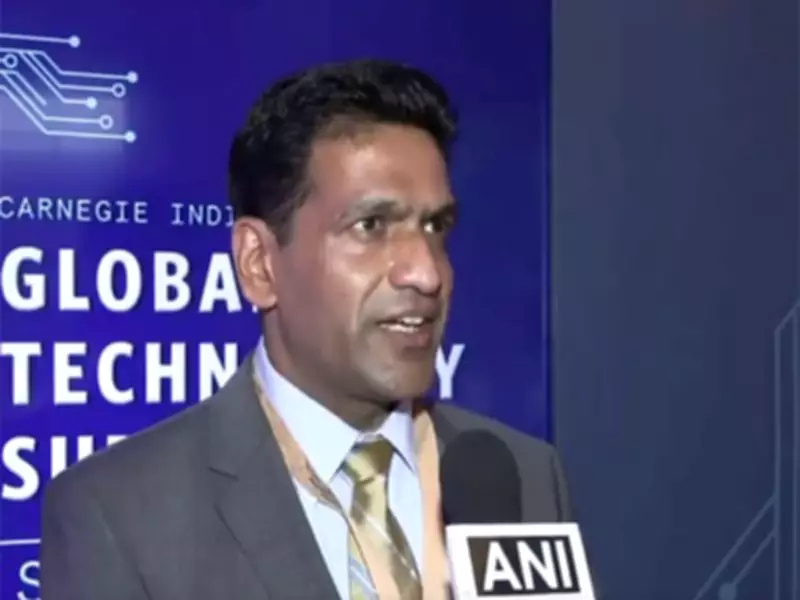
The CEO of Biocon, a leading Indian biotechnology company, has commented on former US President Donald Trump's proposal to impose a 100% tariff on patented drugs imported into the United States. According to the executive, this specific tariff measure is expected to have a limited direct impact on the Indian pharmaceutical industry. However, the broader trend of rising global protectionism is flagged as a significant concern for the sector's future.
Analysis of the Tariff's Limited Direct Effect
The proposed tariff, which targets patented medications, is seen as having a constrained effect because the Indian pharmaceutical sector's core strength lies primarily in the manufacture and export of generic drugs, not patented ones. Indian companies are major global suppliers of affordable, off-patent medicines, which form the bulk of their exports to markets like the US. Therefore, a tariff focused specifically on patented drugs would not directly hit the main revenue streams of most Indian pharma firms.
Nevertheless, the industry remains vigilant. Any escalation or broadening of such trade barriers could potentially disrupt supply chains and affect market access. The Biocon CEO emphasized that while the immediate threat is minimal, the symbolic move towards protectionism is troubling.

Rising Protectionism: A Broader Concern for Indian Pharma
Beyond the specific tariff proposal, the CEO expressed deep apprehension about the growing wave of protectionist policies worldwide. This trend poses a more substantial long-term risk to the Indian pharmaceutical industry, which relies heavily on international trade. Key concerns include:
- Market Access Restrictions: Increasing tariffs or non-tariff barriers in key export destinations like the US and Europe could hinder Indian pharma's global reach.
- Supply Chain Disruptions: Protectionist measures might lead to complexities in sourcing raw materials and exporting finished products, affecting operational efficiency.
- Competitive Landscape Shifts: Policies favoring domestic production in other countries could erode the cost-advantage that Indian generics currently enjoy.
The CEO noted that the Indian pharmaceutical sector must navigate this challenging environment by enhancing innovation, diversifying markets, and strengthening compliance with international regulatory standards to mitigate risks.
Strategic Responses and Future Outlook
In response to these challenges, Indian pharma companies are likely to adopt several strategic measures. These may include increasing investment in research and development to move up the value chain into more complex generics and biosimilars, exploring new geographic markets to reduce dependency on any single region, and advocating for fair trade practices through industry associations and diplomatic channels.
The Biocon CEO's remarks highlight a critical juncture for the industry: while a specific policy like Trump's drug tariff may not cause immediate harm, the overarching shift towards protectionism demands proactive and strategic planning to safeguard India's position as the pharmacy of the world.






