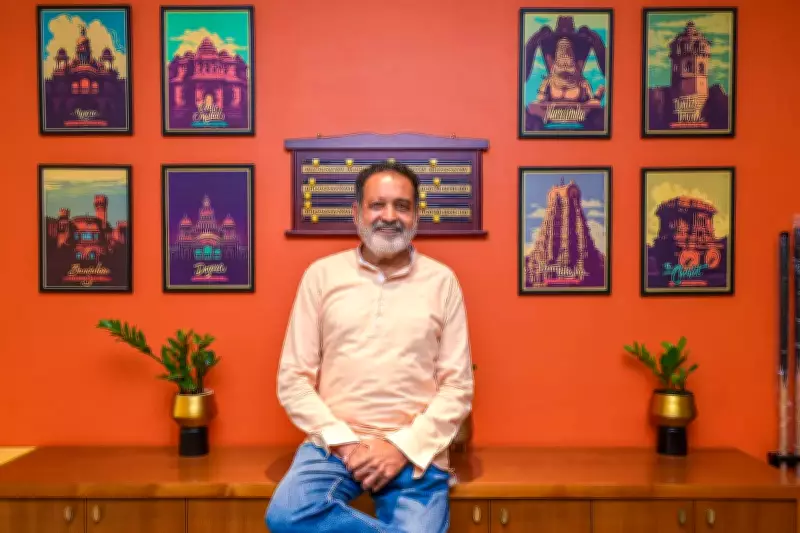
TV Mohandas Pai Champions Bengaluru's $180 Billion Economy and Citizen-Led Governance
When Padma Shri awardee T V Mohandas Pai speaks about Bengaluru, his pride is unmistakable. He describes the city as a vibrant global economy with a staggering $180 billion GDP, a per capita income ranging between $14,000 and $15,000, and a workforce of 26 lakh in technology. The metropolis boasts 20,000 startups, 52 unicorns, and service exports worth $130 billion. For Mohandas, these numbers are not mere statistics but ammunition for driving meaningful change.
A Finance Leader's Unwavering Faith in Bengaluru
A distinguished finance leader, philanthropist, and governance activist, Mohandas Pai firmly believes that progress must be earned through discipline, merit, and active civic participation. Above all, he emphasizes respect for Bengaluru, calling it his karma bhoomi and dharma bhoomi. His commitment is evident in his multifaceted contributions, from co-founding the Bengaluru Political Action Committee (BPAC) with Kiran Mazumdar Shaw and Ranjan Pai to strengthen governance, to quietly supporting various causes, and playing a pivotal role in shaping Infosys into a benchmark institution. A Rajyotsava awardee, his faith in the city remains unwavering.
From Cantonment to Global Hub: A City's Evolution
Conferred a lifetime achievement honor in 2025, Mohandas Pai shrugs off accolades, focusing instead on action. His activism began during his law student days, while his precision with numbers as a chartered accountant earned him the reputation of a best CFO. Today, as chairman of 3one4 Capital and co-founder and chairman of Aarin Capital, his message to Bengalureans is direct and compelling: be proactive.

People often moan and groan about issues. I say, spend 10 percent of your time for the community. Visit your MLA, ward councillor, or commissioner. Talk to them. They will respond. A better Bengaluru will emerge, he asserts. At its core, he believes the Kannadiga spirit of live and let live prevails, fostering an environment where intellect is valued over pretension.
Roots in Discipline and Middle-Class Ethics
Mohandas Pai's upbringing was anchored in middle-class values of discipline and aspiration. At St Joseph’s Boys’ High School, he recalls students from every social stratum mingling freely, eating, playing, and studying together. Sports were central, with notable figures like Roger Binny honing their skills. Later, at St Joseph’s College of Commerce, while pursuing law and qualifying as a CA, he fondly remembers simple pleasures like Brigade Road walks, cricket at Central College, and affordable coffees at Koshy’s.
It was simple living, he smiles, noting that those years defined Bengaluru’s character, where artists and professors were respected, and power and pedigree mattered less. This ethos, he says, institutionalized middle-class ethics, which he later saw embodied at Infosys.
The Infosys Journey: Creating Wealth and Setting Standards
Ironically, Mohandas never planned to work for anyone, having received 11 job offers outside Bengaluru. Instead, he devoured over 2,000 annual reports and became known at shareholder meetings for his pointed questions. This instinct led him to an Infosys shareholders’ meeting in July 1993, where he quizzed Narayana Murthy and later Nandan Nilekani. An offer followed, marking the start of a defining journey.
We had full freedom, he says. Infosys set new standards in HR, technology, finance, and investor relations, with its annual report becoming a gold benchmark. The company’s listing on NASDAQ and its ESOPs created over 20,000 Indian millionaires, generating more than ₹1 lakh crore in wealth. It was egalitarian, with common toilets, economy flights, and modest hotels. We did not take market salaries for years, he recalls, viewing Infosys as more than corporate success—it was middle-class ethics institutionalized.

Addressing Bengaluru's Strains: Data-Driven Solutions
However, success has strained Bengaluru, with traffic congestion defining daily life, fewer parks, and children no longer cycling freely. Mohandas rejects both nostalgia and fatalism, insisting that data-driven progress is the answer. At BPAC, the aim was to improve governance by training 600 people in civic activism and grassroots politics to become ward councillors across parties, creating a coalition of good.
Yet, he notes bluntly that in the last election, over half the wards were won by real estate brokers. Governance must make policy, enforce it, and deliver services, he emphasizes. Mobility is urgent, with Bengaluru needing 15,000 buses but having only around 7,000, and nearly 85,000 vehicles added monthly. He points to Singapore’s multi-operator transport model and critiques Metro delays, but stops short of despair, noting that Bengaluru’s political culture is better, with politicians who listen and engage.
Activism and the Kannadiga Ethos
Activism arrived early for Mohandas, from student strikes post-Emergency to nuclear disarmament marches and campaigning for sports quotas. His prized possession was a Yezdi motorcycle bought for ₹7,800. An articleship at Singhvi Dev & Unni LLP brought courtroom discipline and estate audits in monsoon-bound Wayanad, where his now-iconic beard took shape during relentless rain.
He attributes Karnataka’s openness to the Kannadiga ethos, describing the culture as fantastic, welcoming, kind, mellow, and respectful. Live and let live is the motto, he says. However, he stresses that sentiments alone will not fix infrastructure; investment, accountability, and bold, evidence-based thinking are essential. Philanthropists must think bigger, corporates should invest locally, citizens need to engage, and governance must modernize.
India will be a $10 trillion economy by 2035. We do not see the poverty our parents saw. There has never been a better time for young Indians, Mohandas Pai concludes, urging proactive participation to harness Bengaluru’s full potential.