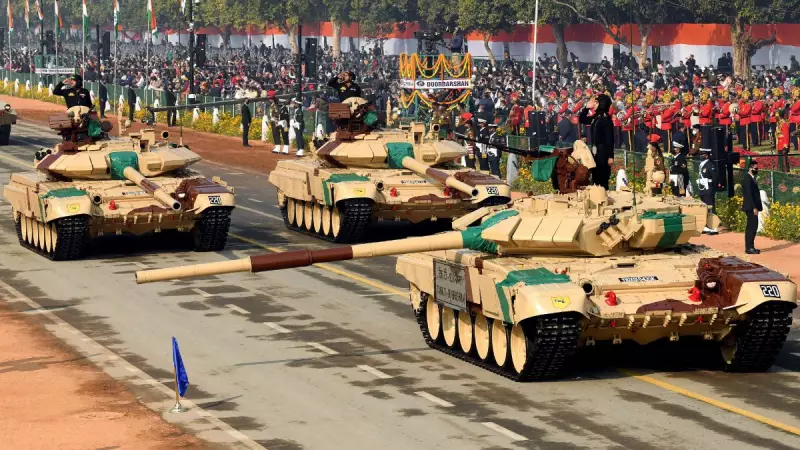
Union Budget 2026: A Look at Defence Allocations Under Modi Government Since 2014
The Union Budget for 2026 has been announced, and it brings renewed focus on India's defence sector. Under the leadership of Prime Minister Narendra Modi, defence spending has seen a consistent upward trajectory since 2014. This article delves into the details of how defence allocations have evolved over the past twelve years.
Steady Growth in Defence Budgets
Since the Modi government took office in 2014, defence allocations have increased significantly. The budget for 2026 continues this trend, with a notable rise in funding compared to previous years. This growth reflects the government's commitment to strengthening national security and modernizing the armed forces.
Key areas of investment include procurement of advanced weaponry, development of indigenous defence technologies, and enhancement of military infrastructure. The government has prioritized self-reliance in defence production, aiming to reduce dependence on foreign suppliers.

Highlights of Defence Spending from 2014 to 2026
Over the years, the defence budget has expanded to address emerging security challenges. Here are some key points:
- Increased Capital Outlay: A larger portion of the budget is now allocated for capital expenditure, enabling the purchase of new equipment and technology.
- Focus on Modernization: Funds have been directed towards upgrading existing systems and introducing cutting-edge capabilities.
- Support for Domestic Industry: Initiatives like 'Make in India' have boosted local defence manufacturing, creating jobs and fostering innovation.
- Enhanced Border Infrastructure: Investments in roads, tunnels, and other infrastructure along borders have improved operational readiness.
Strategic Priorities in the 2026 Budget
The Union Budget 2026 emphasizes several strategic priorities for defence. These include:
- Cybersecurity: Allocating resources to protect military networks from digital threats.
- Space Defence: Funding for space-based surveillance and communication systems.
- Naval Expansion: Enhancing maritime capabilities with new ships and submarines.
- Research and Development: Supporting innovation in defence technologies through increased R&D grants.
These priorities align with global trends and India's specific security needs, ensuring the armed forces are well-equipped for future challenges.
Impact on National Security and Economy
The sustained increase in defence spending has multiple benefits. It not only bolsters national security but also stimulates economic growth. Defence projects generate employment, spur technological advancements, and contribute to industrial development.
Moreover, by promoting indigenous production, the government aims to achieve greater self-sufficiency. This reduces import bills and strengthens the domestic defence industry, making India a more resilient nation.
In conclusion, the Union Budget 2026 marks another step in the Modi government's ongoing efforts to enhance India's defence capabilities. The consistent rise in allocations since 2014 underscores a long-term vision for a secure and self-reliant India.