

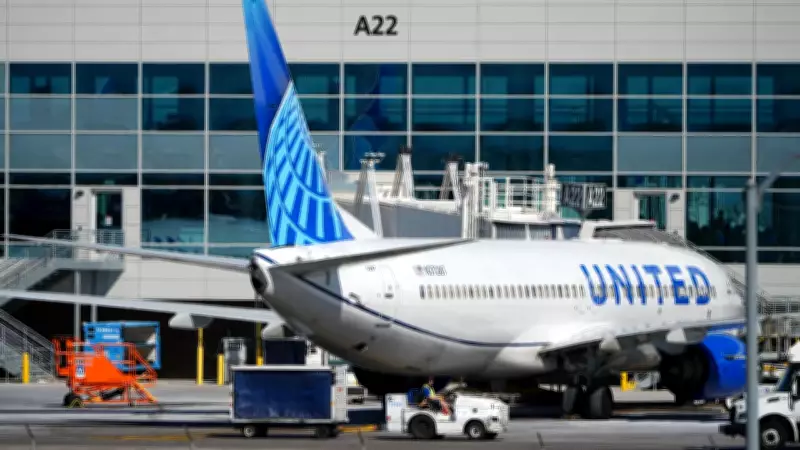
United Airlines Announces Flight Reductions Amid Soaring Fuel Costs
United Airlines is set to slash more unprofitable flights over the next two quarters as it prepares for a prolonged period of elevated jet fuel prices, largely driven by geopolitical conflicts involving Iran. Despite this challenge, robust travel demand continues to empower US carriers, including United, to implement fare hikes, helping to mitigate the financial strain.
Fuel Price Projections and Financial Impact
In a staff memo released on Friday, Chief Executive Scott Kirby outlined the airline's strategy, citing Reuters reports that United is bracing for oil prices to potentially surge as high as $175 per barrel and remain above $100 through the end of 2027. Kirby warned that at these levels, the airline's annual fuel expenses could increase by approximately $11 billion—more than double the profit earned in its best year on record.
"There's a good chance it won't be that bad," Kirby wrote regarding the fuel assumptions. "But... there isn't much downside for us in preparing for that outcome." This cautious approach underscores the airline's proactive measures to navigate uncertain market conditions.

Capacity Cuts and Route Adjustments
United has already initiated reductions in less profitable flights, targeting services during midweek, Saturdays, and overnight hours. Kirby detailed that the airline will cancel about three percentage points of off-peak flying in the second and third quarters, focusing on routes and time periods with weaker demand. Additionally, United plans to remove roughly one percentage point of capacity from its Chicago O'Hare hub and maintain suspensions on services to Tel Aviv and Dubai, bringing the total reduction to approximately five percentage points of its planned annual capacity.
Kirby expressed optimism, stating that United currently expects to restore its full schedule in the fall. These cuts build on earlier comments from Kirby, who emphasized that the airline would rather leave some demand unmet than continue operating money-losing routes if fuel prices persist at high levels.
Industry-Wide Challenges and Strategies
Jet fuel prices have nearly doubled since late February, escalating costs across the airline industry and disrupting global flight patterns through reroutings and airspace restrictions. In response, major US airlines, including United, are leveraging strong travel demand to raise fares, which helps offset the impact of higher fuel expenses. Capacity reductions, such as those announced by United, are also anticipated to bolster the industry's pricing power.
Rival Delta Air Lines, which recently raised its first-quarter revenue forecast, has indicated similar flexibility to trim capacity if fuel prices remain elevated. US carriers are particularly vulnerable to fuel price volatility because most do not hedge their fuel costs, unlike some European and Asian airlines that employ hedging strategies to cushion price shocks. Instead, US airlines rely on fare increases and tighter capacity to recover part of the additional costs.
Conclusion: Navigating a Turbulent Market
As United Airlines implements strategic flight cuts and fare adjustments, the broader US airline industry faces a delicate balance between managing rising fuel costs and capitalizing on resilient travel demand. With geopolitical tensions continuing to influence fuel prices, carriers must adapt swiftly to maintain profitability while ensuring operational efficiency in an increasingly challenging environment.






