

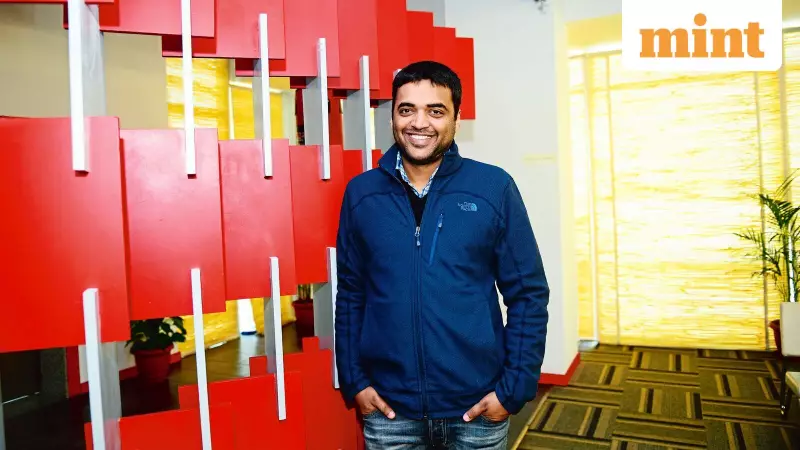
In a strong show of operational resilience, food delivery giants Zomato and Blinkit successfully executed a record-breaking number of deliveries on New Year's Eve, even as sections of gig workers had called for a nationwide strike. The platforms' founder, Deepinder Goyal, announced on Thursday that the companies collectively delivered more than 75 lakh orders at an unprecedented pace on December 31.
Record Deliveries Amidst Strike Atmosphere
Goyal stated that the massive delivery milestone was achieved despite public calls for work stoppages in the preceding days. He emphasized that the day's success was powered by over 4.5 lakh delivery partners across both platforms, who served more than 63 lakh customers. Goyal specifically thanked local law enforcement agencies across the country for their support in managing the situation, which allowed the vast majority of partners to work without disruption.
"Zomato and Blinkit delivered at a record pace yesterday, unaffected by calls for strikes that many of us heard over the past few days," Goyal said. He noted that this feat was accomplished without any special incentives beyond the higher payouts typically offered on New Year's Eve compared to regular days.

The Gig Workers' Strike and Platform's Response
The record deliveries came against the backdrop of a planned nationwide strike called by the Gig and Platform Service Workers Union for December 31, 2025. The union had urged all app-based workers to log off and abstain from work to press for demands concerning their rights, welfare, and dignity. This action was reportedly an escalation following a large-scale strike on December 25 in Telangana and other regions.
A joint statement from worker unions had accused platform companies of ignoring their concerns over falling earnings, unsafe delivery pressures, and a loss of dignity at work. However, Goyal countered this narrative, stating that if the system were fundamentally unfair, it would not continue to attract and retain hundreds of thousands of workers. He urged people not to be swayed by "narratives promoted by vested interests."
Incentive Structure and Future of Gig Work
On the financial front, delivery partners had the opportunity to earn increased incentives during the festive period. For the peak hours of 6 PM to 12 AM on New Year's Eve, Zomato offered payouts ranging from ₹120 to ₹150 per order, with potential daily earnings touted up to ₹3,000. The company also temporarily waived penalties for order rejections and cancellations. A spokesperson clarified that these enhanced payouts were part of a standard annual protocol for high-demand festive periods and were not a reaction to the strike call.
Similarly, rival platform Swiggy also ramped up incentives, advertising peak-hour earnings of up to ₹2,000 and a chance to earn up to ₹10,000 across December 31 and January 1. Both companies maintained that such hikes during special occasions are a routine practice.
Looking ahead, Goyal framed the gig economy as one of India's largest sources of organized job creation. He highlighted its long-term transformative potential, suggesting that the stable incomes and education enabled for delivery partners' families would allow the next generation to enter the workforce and contribute to the nation's progress on a significant scale.






