

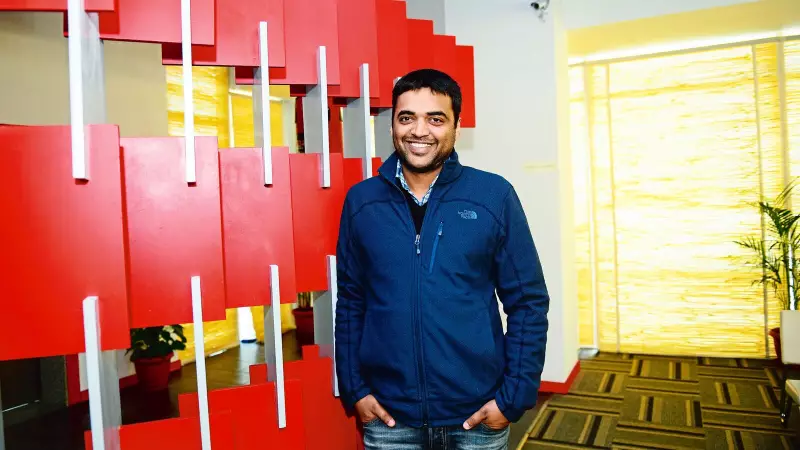
In a direct response to growing scrutiny over pay practices in India's gig economy, Zomato's founder and CEO Deepinder Goyal has publicly disclosed detailed earnings data for the platform's delivery partners. The move came after a public exchange on social media platform X with popular YouTuber and content creator Dhruv Rathee, who had called for greater transparency regarding how much gig workers actually take home.
Transparency Triggered by Social Media Dialogue
The release of the official "fact sheet" was prompted by questions raised by Dhruv Rathee on X, formerly known as Twitter. Rathee's inquiry into the company's compensation model for its vast fleet of delivery executives ignited a wider public conversation, pushing the Zomato leadership to address the concerns head-on. Goyal chose to engage publicly, sharing specific figures to clarify the company's stance and provide what he termed factual data amid the debate.
This transparency drive occurs against a backdrop of intense national discussion about the working conditions, financial stability, and social security of gig workers across various platforms in India. The gig economy, while offering flexibility, has often faced criticism over inconsistent earnings and lack of traditional employment benefits.

The Numbers: Breaking Down the Earnings
According to the data shared by Deepinder Goyal on January 2, 2026, the average earnings per hour (EPH) for a Zomato delivery partner, excluding any tips received from customers, stood at ₹102 for the year 2025. This marked a significant increase from the previous year, representing a year-on-year growth of 10.9% from the ₹92 per hour recorded in 2024.
Goyal provided further context to translate these hourly figures into a monthly earning potential. He explained that while many delivery partners work for limited hours on only a few days each month, a hypothetical full-time schedule could yield substantial earnings. If a partner worked for 10 hours a day, 26 days a month, the gross earnings would amount to approximately ₹26,500.
He also addressed the critical question of net income, accounting for the operational costs borne by the partners themselves. After deducting an estimated 20% for fuel and vehicle maintenance, the net monthly earnings in such a scenario would be around ₹21,000.
Implications for the Gig Economy Debate
The public disclosure by a major player like Zomato sets a notable precedent for the industry. It directly responds to calls for opacity in how platform companies calculate and disburse payments to their freelance workforce. By sharing specific metrics like average hourly earnings and year-on-year growth, Goyal aims to anchor the debate in claimed facts rather than perception.
This move is likely to increase pressure on other gig economy platforms to follow suit and reveal similar data about their partners' earnings. It also provides a concrete dataset for policymakers, researchers, and worker advocacy groups to analyze as they consider potential regulations for the sector. The key figures of ₹102 per hour and net ₹21,000 per month will undoubtedly become reference points in ongoing discussions about fair wages and sustainable livelihoods in the digital age.
The exchange highlights the growing power of social media influencers like Dhruv Rathee in shaping corporate discourse and holding large companies accountable on public platforms. The immediate and detailed response from Zomato's CEO underscores the importance companies now place on managing their narrative and reputation in real-time, especially on issues concerning their core operational workforce.






