Mark Zuckerberg Acquires Multi-Million Dollar Florida Estate as Tech Exodus Accelerates
Meta CEO Mark Zuckerberg has become the latest Silicon Valley titan to make a major real estate investment in Florida, with reports indicating he and his wife Priscilla Chan have purchased a sprawling waterfront compound on Miami's ultra-exclusive Indian Creek Island. The transaction, valued between $150 million and $200 million according to Wall Street Journal sources, represents one of the most significant billionaire property acquisitions in recent memory and signals a broader trend of tech wealth migration from California to tax-friendly states.
The Billionaire Bunker: Inside Indian Creek Island
Indian Creek Island represents the pinnacle of luxury living and privacy for America's wealthiest individuals. Often referred to as the "Billionaire Bunker," this gated barrier island in Miami-Dade County boasts an impressive roster of high-profile residents including Amazon founder Jeff Bezos, football legend Tom Brady, and fashion icons David and Victoria Beckham. The island maintains exceptional security measures with a dedicated police force and strict privacy protocols that have made it particularly attractive to those seeking discretion alongside luxury.
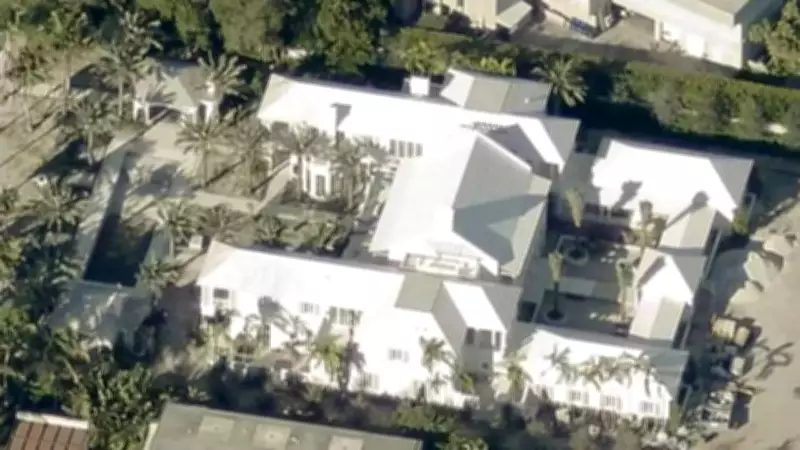
Aerial photographs reveal Zuckerberg's new estate as a massive compound spanning multiple adjacent lots along Biscayne Bay. The property features reinforced seawalls, several private docks capable of accommodating yachts and boats, and sits adjacent to a golf course and expansive green parkland. In a city known for vertical development, this horizontal expanse of open space represents a rare luxury that few properties can offer.

Construction Status and Moving Timeline
Recent images of the property show construction equipment still present on site, with landscaping appearing incomplete and outdoor areas unfurnished. The estate appears to be in its final construction phases rather than fully move-in ready, though roofs and terraces look freshly installed. Despite the ongoing work, reports suggest Zuckerberg could potentially occupy the property as early as April, an ambitious timeline that nevertheless remains plausible given the resources available to complete remaining work efficiently.
The seller is reportedly a limited-liability company connected to Jersey Mike's founder Peter Cancro, adding another layer of business elite connection to this high-profile transaction. The property's development reflects the meticulous attention to detail and security that characterizes Indian Creek Island's exclusive residential offerings.
The California Tax Exodus: Why Billionaires Are Heading to Florida
Zuckerberg's Florida acquisition comes amid growing concerns among California's wealthiest residents about proposed tax increases targeting billionaires. State lawmakers have floated a one-time 5% "billionaire tax" designed to generate revenue for California's strained healthcare system, a proposal that has sparked intense debate about wealth distribution and economic competitiveness.
Florida's tax advantages present a compelling alternative for high-net-worth individuals. The Sunshine State imposes no state income tax and offers fewer regulatory hurdles compared to California's more complex business environment. This fiscal landscape has attracted numerous tech billionaires beyond Zuckerberg, with Google co-founder Larry Page reportedly purchasing multiple Miami properties worth approximately $188 million and fellow Google founder Sergey Brin said to be negotiating for a $50 million Miami Beach residence.
Real estate professionals in Florida have noted a significant increase in Californians shopping for ultra-luxury properties, with one Miami broker telling the Wall Street Journal that the proposed 5% tax is "really driving out people in a major way." While some may consider this assessment exaggerated, the pattern of high-profile acquisitions suggests a genuine migration trend among the tech elite.

Political Implications and Economic Impact
California Governor Gavin Newsom has criticized the billionaire tax proposal, describing it as poorly drafted and suggesting it has already created disproportionate economic consequences. The political debate surrounding wealth taxation has created uncertainty for California's business community, with some leaders warning that such measures could accelerate capital flight from the state.
The optics of prominent tech executives like Zuckerberg establishing significant residential presences in Florida while maintaining their California business operations raise questions about the long-term relationship between Silicon Valley's wealth creators and the state that nurtured their success. This migration pattern represents more than individual real estate transactions—it signals a potential reshaping of America's economic geography as billionaires increasingly diversify their residential and financial footprints across multiple states.
As construction continues on Zuckerberg's Indian Creek estate and other tech billionaires explore Florida opportunities, the conversation about wealth distribution, state taxation policies, and regional economic competition will likely intensify. The quiet movement of capital and personal residences among America's wealthiest individuals may ultimately have loud consequences for state budgets, economic development strategies, and the geographic concentration of technological innovation.