

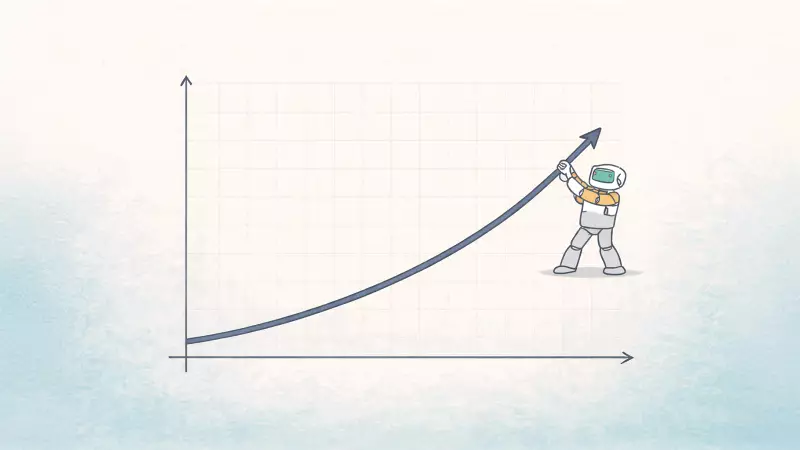
The global narrative at the beginning of 2025 was dominated by the resurgence of Donald Trump and a singular focus on the United States as the prime investment destination. However, as the year concluded, a different picture emerged. Rival international markets delivered returns that were twice as high as those in the US, significantly outperforming it and challenging the notion of American 'exceptionalism'. While the US economy did not falter, its resilience was largely propped up by massive capital inflows into the artificial intelligence sector, which ultimately became a bigger story than Trump himself.
The Central Question for 2026
This dramatic shift sets the stage for the crucial year ahead. The pivotal question now is: what comes next for artificial intelligence, and how will its evolution reshape the global landscape? To navigate this, noted analyst Ruchir Sharma has identified his top 10 trends for 2026. These shifts will critically determine where India finds its winning opportunities and where it may face significant headwinds.
Decoding the Post-US Dominance Era
The events of 2025 served as a powerful reminder that global capital is fluid and opportunistic. The stellar performance of markets outside the US underscores a search for value and growth beyond traditional hubs. For a nation like India, this represents a significant opportunity to attract foreign investment, but it also intensifies competition with other emerging economies. The key will be to leverage its demographic dividend and digital infrastructure to stand out.

Artificial Intelligence: The Unstoppable Catalyst
While the initial frenzy around AI may stabilize, its integration into every sector of the economy will deepen. The trend for 2026 will move from mere adoption to scalable implementation and productivity gains. For India, this presents a dual-edged sword. The country's strong IT services sector and talent pool in engineering position it to be a major beneficiary in AI development and services. However, the struggle will lie in rapidly skilling its massive workforce and ensuring that AI-driven automation does not lead to widespread job displacement without adequate reskilling initiatives.
As we look toward 2026, the global order continues to recalibrate. India's success will hinge on how effectively it can navigate these top 10 trends outlined by Sharma, particularly by capitalizing on the AI revolution while managing the socio-economic transitions it triggers. The nation's policy decisions in the coming months will be crucial in determining whether it emerges as a clear winner in this new era of global shifts.






