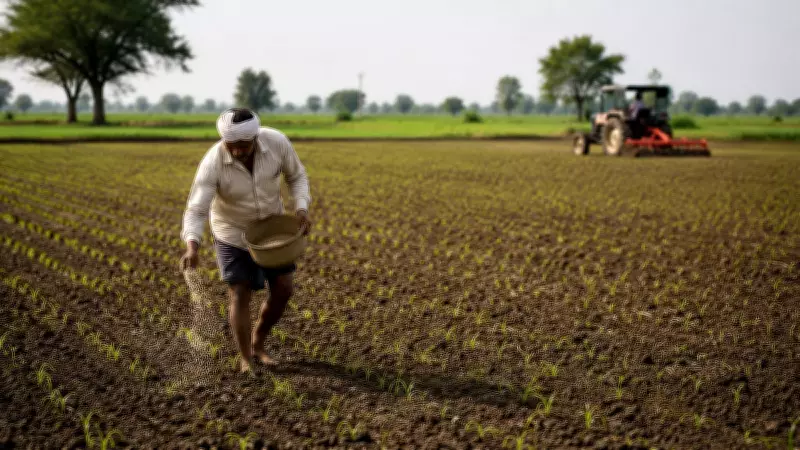
Despite a deficient monsoon, farmers in the district have completed nearly 80% of the kharif sowing as of early July, according to agricultural department officials. The sowing progress covers major crops such as paddy, maize, pulses, and oilseeds, with farmers now relying on consistent rainfall to sustain crop growth.
Sowing Progress Amid Rainfall Deficit
The district has received 20% less rainfall than normal for this period, yet sowing operations have proceeded at a faster pace compared to the previous year. Officials attribute this to timely preparatory activities and adequate soil moisture from pre-monsoon showers. As of July 3, 2026, approximately 80% of the targeted kharif area has been sown, covering over 1.2 lakh hectares.
“Farmers have shown resilience by completing sowing despite the rainfall deficit. We are hopeful that the monsoon will pick up in the coming weeks to support germination and crop establishment,” said a senior agriculture department officer.

Crop-wise Breakdown and Regional Variations
Paddy sowing has reached 75% of the target area, while maize and pulses have crossed 80%. Oilseeds, including groundnut and soybean, have also achieved 78% coverage. However, some regions in the talukas have reported lower sowing due to localized dry spells.
The agriculture department has advised farmers to adopt water-saving techniques such as drip irrigation and mulching to mitigate potential moisture stress. Officials are also monitoring pest outbreaks, as deficit conditions can increase pest pressure.
Outlook and Government Support
Weather forecasts suggest a revival of monsoon activity from mid-July, which could boost crop growth. The district administration has ensured an adequate supply of seeds, fertilizers, and pesticides at subsidized rates through cooperative societies. Crop insurance enrollment has also been promoted to safeguard farmers against weather risks.
“We are prepared to provide necessary support, including contingency plans for alternate crops if the deficit persists,” the officer added.
Farmers remain optimistic but cautious. “We have completed sowing, but the next 15 days are critical. If we get good rains, we can expect a normal harvest,” said a farmer from the region.