

Bihar Migrants Return Home as Soaring LPG Costs Make City Life Unsustainable
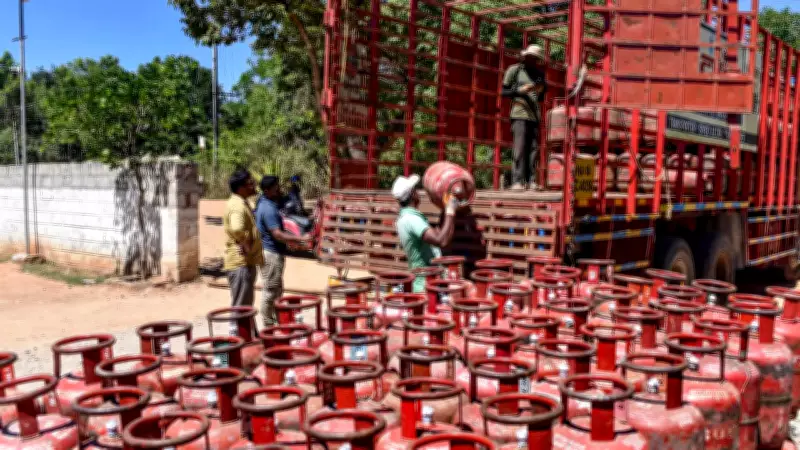
Trains steadily arrived at Patna Junction, their platforms swelling with weary migrant families from Bihar. Carrying bedding, steel containers, and plastic sacks, these workers stepped down, returning from urban centers where the simple act of cooking has become a financial burden. Their faces bore fatigue, driven by empty LPG cylinders and a desperate search for a flame that costs less than a day's wage, highlighting a severe LPG shortage crisis.
Personal Stories of Struggle and Return
Manoj, a construction worker from Punpun in Patna district, arrived from New Delhi with his wife and two children. He explained, "LPG vendors are charging Rs 500 a kg. It lasts two days. We could not continue." Similarly, Ramu, a factory worker from Chennai bound for Saharsa, calculated his predicament: "Two days' wages for gas to cook one meal. Better unemployed at home than starving in a big city." These accounts underscore the harsh economic realities forcing migrants to abandon their livelihoods.
Official Data and Survey Initiatives
Officials reported that approximately 2,500 workers have returned so far, with many citing cooking gas costs as the primary reason. Bihar has an estimated 48 lakh migrants employed across Gujarat, Tamil Nadu, Delhi-NCR, Bengaluru, and Mumbai. In response, labour department teams have initiated panchayat-level surveys to track these returns and assess the broader impact on the state's economy and workforce.

Train Arrivals and Regional Impact
The influx was evident throughout the day. Magadh Express from New Delhi pulled in around 12:30 PM on Tuesday, followed by Brahmaputra Mail at 2:20 PM, each bringing waves of workers heading home. Additional trains like Azimabad Express from Gujarat and Ernakulam Express from the south added to the churn. Danapur station mirrored this flow, with Sanghamitra Express from Bengaluru and Udhna Express from Gujarat unloading passengers who have walked away from jobs as fuel costs spike.
Many returnees hail from districts such as Siwan, Gopalganj, Madhubani, Darbhanga, and Saharsa. The work left behind spans various sectors, including construction sites, factories, dhabas, and housing complexes, indicating a widespread disruption in urban employment.
Further Accounts of Hardship
Sonu, a security guard in Noida earning Rs 6,000 a month, described how options vanished when his cylinder emptied. "We ate on the streets for a few days. Coal or wood not allowed in residential area," he said. Nishi Devi, a domestic help returning to Bhojpur with three children, recounted days without a proper meal. "The employer helped at first. Then they faced the same crisis. We cannot pay black-market rates and rent. At home, I will cook on cow dung cakes," she shared, highlighting the shift to traditional, cheaper alternatives.
Observations from the Ground
Trains kept arriving, and Bikash, a porter with 12 years of experience at the station, noted the changing footfall. "Not like pandemic rush, but numbers are rising the past two weeks," he observed, signaling a growing trend of return migration driven by economic pressures rather than health emergencies.






