

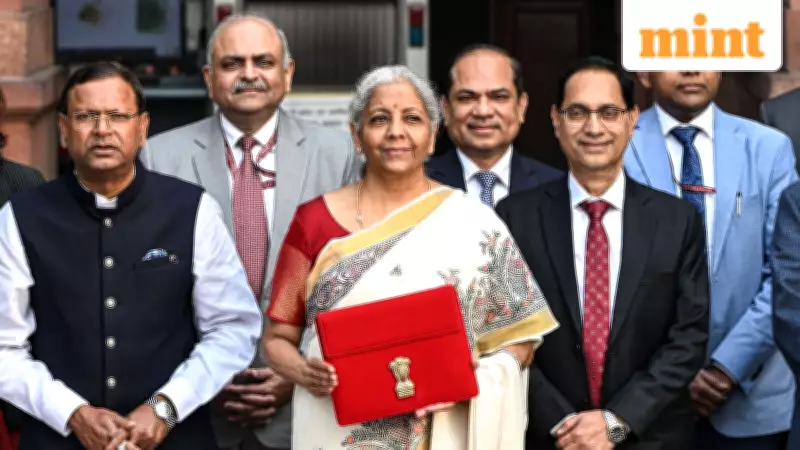
As Finance Minister Nirmala Sitharaman prepares to present the Union Budget for 2026-27, experts are calling for a fundamental shift in India's economic approach. Given the complex global landscape, this budget could potentially define Sitharaman's legacy by focusing on building economic sovereignty and resilience rather than merely allocating funds.
The Need for a Paradigm Shift
The current global environment presents unprecedented challenges. With the rupee depreciating approximately 7% over the past year, foreign portfolio investors withdrawing from Indian markets, geopolitical tensions escalating, and artificial intelligence creating employment uncertainties, India faces a perfect storm of economic headwinds. Additionally, cities are becoming increasingly unlivable due to pollution, job creation remains inadequate, and inequality continues to rise.
These challenges are compounded by what some observers describe as governance absurdities—from state delegations making expensive trips to Davos for ceremonial MoUs to temporary measures that mask pollution problems rather than solving them. Against this backdrop, the budget must move beyond incremental changes to signal a structural transformation.

Building Strategic Self-Reliance
The first pillar of resilience involves building strategic self-reliance in critical sectors. Rather than reverting to protectionist policies of the past, India should create targeted production incentives, capital expenditure-linked benefits, and research grants for essential supply chains. These include semiconductors, rare earth minerals, defense electronics, power equipment, and solar and battery components.
Modeling critical manufacturing zones after China's industrial clusters could provide significant advantages. Offering ten-year tax holidays, plug-and-play land parcels, and single-window clearances would attract investment. Additionally, domestic procurement mandates and technology transfer clauses would ensure long-term capability building.
Energy Security as Priority
Energy security represents the second crucial component. Geopolitical tensions often target energy supplies first, making this area particularly vulnerable. The budget should prioritize reducing import dependence while building strategic reserves for oil, gas, and critical minerals. Acquiring stakes in overseas energy businesses and partnering with countries like South Africa and Australia could help create reliable stockpiles.
Fiscal Resilience and Economic Buffers
Creating buffers to absorb fiscal shocks is essential for economic stability. Maintaining the fiscal deficit below 4.5% of GDP with conservative revenue assumptions would provide necessary discipline. Establishing a contingency fund similar to Singapore's stabilization fund or Norway's sovereign wealth model would offer protection during crises.
Debt maturity reforms and issuing longer-duration bonds (30 years or more) would enhance financial system stability. Exploring inflation-linked bonds could provide additional safeguards against economic volatility.
Diversifying Trade Relationships
Reducing dependency on specific trade blocs represents another resilience strategy. The budget should promote export-import credit facilities, enhance insurance mechanisms, and increase investment in logistical infrastructure such as ports and warehouses. This diversification would protect India from regional economic disruptions.
Domestic Demand and Technological Sovereignty
Despite the challenges of a K-shaped economy, maintaining domestic demand as the primary growth driver remains crucial. Tax simplifications, urban development initiatives, housing sector support, and enhanced credit access for micro, small, and medium enterprises should be key priorities.
With artificial intelligence adoption potentially slowing IT recruitment, new policy initiatives are needed. An urban job guarantee scheme focusing on infrastructure maintenance, digitization projects, and public services could address employment concerns while building essential urban capabilities.

Technological sovereignty deserves special attention to prevent potential weaponization of technology by global powers. Investments in artificial intelligence models, cloud infrastructure, semiconductor manufacturing, and cybersecurity are essential. A second phase of India's digital stack initiative and establishing a national cyber command for defense would strengthen technological independence.
Green Initiatives and Social Safety Nets
No resilience framework is complete without addressing environmental concerns. Aligning climate initiatives around green hydrogen, electric vehicle ecosystems, and carbon markets would position India as a responsible global partner. Establishing a national carbon trading platform linked to European and Japanese systems would enhance credibility.
Low-cost financing for green initiatives through dedicated corporations could replicate China's success in pollution reduction over the past decade. As Harvard professor Gita Gopinath has noted, air pollution significantly impacts both GDP and public health, making environmental measures economically crucial.
Finally, addressing ground-level distress remains essential. Rapid economic growth often masks micro-level hardships, requiring continued measures for job creation, inequality reduction, human resource development, and food and employment security.
Consolidating a Legacy Through Resilience
The 2026-27 budget represents perhaps the most challenging financial planning exercise in a decade. By shifting from India's existing growth and welfare model to one emphasizing growth security, targeted welfare, and comprehensive resilience, Finance Minister Nirmala Sitharaman could cement her legacy. This approach would build economic, energy, technological, and fiscal resilience in an increasingly uncertain world.
Ultimately, this budget is about more than allocating resources—it's about constructing economic sovereignty that can withstand global shocks while promoting sustainable growth. The decisions made now will determine India's position in the coming years as it navigates complex international dynamics and domestic challenges.





