

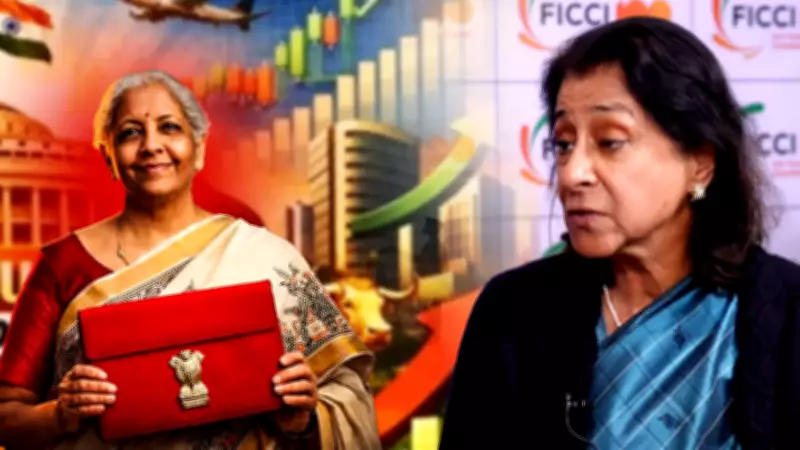
Budget 2026 Sets Long-Term Direction For India's Economic Growth
India's Budget 2026, unveiled recently, aims to establish a strategic balance between providing consumer relief and generating revenue from luxury items, setting a clear long-term direction for the nation's economic growth. This fiscal blueprint reflects a nuanced approach to managing affordability while fostering industrial expansion, signaling India's continued focus on building economic resilience and implementing strategic trade policies.
Consumer Relief Through Price Cuts on Essential Goods
The budget introduces significant price reductions on a range of essential goods, easing the financial burden on everyday citizens. Key items set to become more affordable include:
- Electric vehicles, promoting sustainable transportation options.
- Medicines, particularly cancer and diabetic drugs, enhancing healthcare accessibility.
- Sports equipment, encouraging fitness and recreational activities.
- Made-in-India smartphones and tablets, boosting domestic technology adoption.
These measures are designed to support household budgets and improve the quality of life for millions of Indians, aligning with broader social welfare goals.

Revenue Generation from Imported Luxury Products
To offset the revenue implications of consumer relief measures, the budget imposes higher duties on imported luxury products. Items facing increased tariffs include:
- Watches, targeting high-end timepieces.
- Alcohol, regulating premium beverage consumption.
- Coffee machines, affecting gourmet kitchen appliances.
- Film equipment, impacting professional cinematography tools.
This move aims to encourage domestic production by making imported alternatives less competitive, while also regulating high-end consumption patterns. It reflects a policy shift towards self-reliance and reducing dependency on foreign goods in luxury segments.
Boost for Leather Exporters and Industrial Growth
In a significant win for the manufacturing sector, leather exporters stand to gain from duty-free import benefits under the new budget. This incentive is expected to enhance their competitiveness in global markets, supporting export-led growth and job creation in the industry. Experts highlight that this provision underscores the government's commitment to strengthening key export sectors, contributing to overall industrial expansion.
Expert Analysis: A Dual Approach to Economic Strategy
Financial analysts and economists note that Budget 2026 reflects a dual approach, meticulously balancing support for affordability with initiatives to spur industrial growth. By cutting prices on essentials, the government addresses immediate consumer concerns, while higher duties on luxuries and benefits for exporters aim to stimulate long-term economic development. This strategy signals India's intent to build a resilient economy capable of navigating global uncertainties, with a focus on strategic trade policies that prioritize domestic interests.
Overall, Budget 2026 is seen as a pivotal document shaping India's economic trajectory, blending short-term relief with long-term vision to foster sustainable growth and prosperity.






