

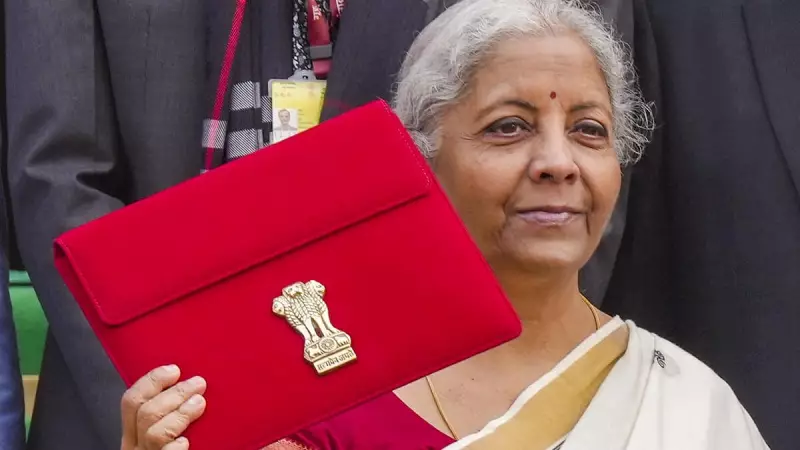
The Union Budget for 2026 presents a complex fiscal challenge for policymakers. Finance Ministry officials are walking a tightrope as they prepare the financial blueprint for the coming year. They must sustain India's economic growth momentum while simultaneously reining in the fiscal deficit.
Key Fiscal Targets for FY27
Government sources indicate the Budget aims to bring the fiscal deficit down to 4.2-4.4% of GDP in the 2026-27 financial year. This represents a significant reduction from current levels and requires careful planning. Achieving this target while maintaining growth will test the government's economic management skills.
Capital Expenditure Priorities
Maintaining higher capital expenditure outlays remains a crucial objective. Infrastructure development continues to receive top priority in budget allocations. Roads, railways, ports, and digital infrastructure projects will likely see continued funding support.

The government recognizes that public investment must lead the way in stimulating economic activity. Capital spending creates jobs, boosts demand for materials and services, and lays the foundation for future growth. Balancing this spending with deficit reduction presents a major challenge.
Reviving Private Investment
A strong supply-side push forms another critical component of the Budget strategy. Policy makers hope to revive private investment through targeted measures. The manufacturing sector particularly needs incentives to expand capacity and create employment.
Industry representatives have called for measures that reduce compliance burdens and improve ease of doing business. Tax incentives for research and development could feature in the final Budget document. Streamlining regulations might also receive attention to boost investor confidence.
The Growth Imperative
Sustaining economic growth remains the overarching goal of Budget preparations. With global economic uncertainty continuing, domestic drivers must power India's expansion. Consumption demand needs support alongside investment initiatives.
Rural economy revival measures might find space in the Budget allocations. Agriculture infrastructure and farmer income support could receive renewed focus. Social sector spending on health and education will likely continue despite fiscal constraints.
The final Budget document, expected in February 2026, will reveal how the government navigates these competing priorities. Fiscal prudence cannot come at the expense of growth momentum. Similarly, spending cannot spiral without regard to deficit targets.
Economic analysts will closely watch the fine print for signals about policy direction. The balancing act between growth and fiscal discipline will define the Budget's success. How well the government manages this tightrope walk will influence India's economic trajectory for years to come.






