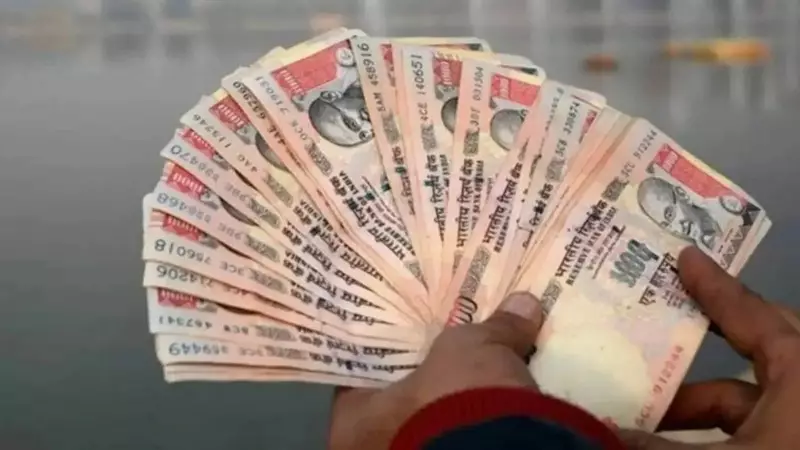
Nine years after the dramatic demonetisation move that shook India's economy, the country finds itself in a surprising paradox: despite aggressive pushes for digital payments, the amount of cash with the public has more than doubled since November 2016.
The Demonetisation Shockwave
On November 8, 2016, at 8:00 pm, Prime Minister Narendra Modi made a historic televised address to the nation that would change India's economic landscape overnight. The announcement declared that all existing ₹500 and ₹1,000 notes – accounting for 86% of the currency in circulation – would cease to be legal tender from midnight of November 9.
The immediate aftermath was chaotic. Demand plummeted, businesses faced unprecedented crises, and GDP growth declined by nearly 1.5%. Small enterprises were particularly hard-hit, with many shutting down permanently due to the severe liquidity crunch. The sight of long queues outside banks and ATMs became commonplace as citizens scrambled to exchange their now-invalid currency.

The Cash Comeback Story
According to recent RBI data, currency with the public has staged a remarkable recovery. From ₹17.97 lakh crore on November 4, 2016, it plummeted to ₹7.8 lakh crore in January 2017 immediately after demonetisation. However, as of October 17, 2025, this figure has surged to ₹37.29 lakh crore – more than double the pre-demonetisation level.
During the fortnight ended October 17 alone, cash with the public increased by ₹30,709 crore, and on a year-on-year basis, it rose by ₹3.13 lakh crore, indicating sustained growth in cash usage.
Understanding the Currency-to-GDP Ratio
While the absolute numbers show a significant increase in cash circulation, economists point to the currency-to-GDP ratio as a more accurate indicator of cash dependency. Since demonetisation, this ratio surged to 14.5% in 2020-21 from 8.7% in 2016-17, but has since moderated to 11.11% in 2025 from 12.1% in March 2016.
This decline in ratio indicates that while cash usage has grown in absolute terms, the economy has expanded at an even faster pace, with India maintaining 6% plus growth every year and touching 7.8% in the first quarter of FY2026.
Pandemic's Role in Cash Resurgence
The COVID-19 pandemic played a crucial role in driving cash back into the hands of the public. During the stringent lockdowns of 2020-21, people rushed to accumulate cash to meet essential needs. Neighborhood grocery stores, medical expenses, and other urgent requirements were primarily handled through cash transactions, reversing some of the digital payment gains.
India's Position in Global Context
India's currency-to-GDP ratio of 11.11% remains higher than other major economies:
- Japan: 9-11%
- Eurozone: 8-10%
- China: 9.5%
- Russia: 8.3%
- United States: 7.96%
This elevated ratio stems from India's large cash-dependent informal economy, cultural preference for cash holdings, and comparatively lower adoption of digital payment systems despite rapid growth in platforms like UPI.
Digital Growth Amid Cash Dominance
Despite the resilience of cash, digital payments have seen explosive growth. Unified Payments Interface (UPI) recorded 54.9 billion transactions in Q1 FY26 and 185.9 billion transactions in FY25. UPI transactions grew at a compound annual growth rate of 49% between FY23 and FY25, underscoring the rapid adoption of digital payments.
Yet, cash remains deeply embedded in the Indian economy. The persistent preference for physical currency, combined with greater hoarding behaviors and the needs of the informal sector, continues to drive the stock of currency with the public to levels well above the pre-demonetisation norm.
As India marks nine years since that fateful November evening, the journey from demonetisation to today reveals a complex narrative of an economy that continues to balance between its digital aspirations and its cash-dependent realities.