

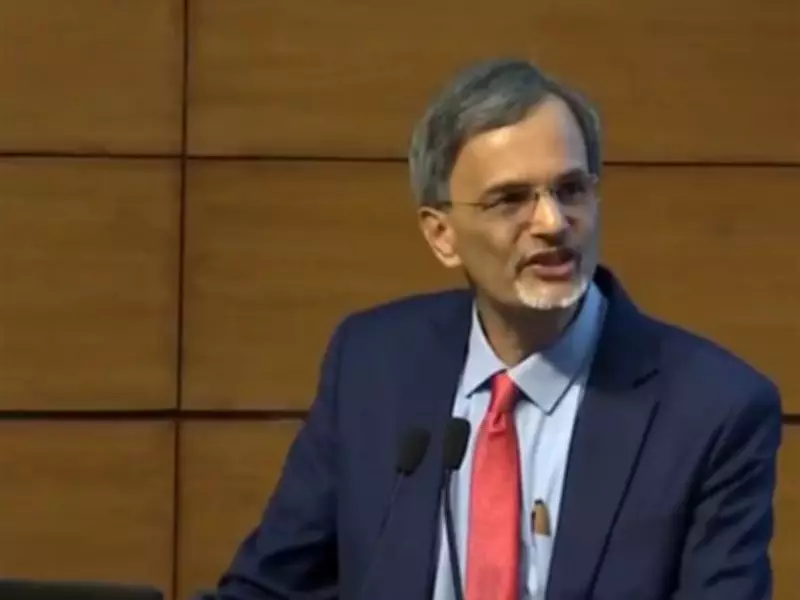
Chief Economic Adviser V. Anantha Nageswaran has underscored the critical importance of bolstering India's manufacturing sector as a foundational strategy for ensuring long-term stability of the Indian rupee. This emphasis comes amid ongoing discussions about the nation's economic resilience and its position in the global financial landscape.
The Core Argument for Manufacturing-Led Stability
Nageswaran's analysis points to a direct correlation between a robust domestic manufacturing base and a nation's ability to maintain currency strength. A stronger manufacturing ecosystem reduces reliance on imports for goods, thereby decreasing the outflow of foreign exchange. This, in turn, helps in building a more favorable balance of payments position, which is a key determinant of currency valuation.
Addressing External Vulnerabilities
The Chief Economic Adviser highlighted that economies heavily dependent on imports for essential and non-essential goods are more susceptible to external shocks. Fluctuations in global commodity prices or supply chain disruptions can lead to increased import bills, putting downward pressure on the domestic currency. By enhancing local production capabilities, India can insulate itself from such volatilities to a significant extent.

"Strengthening manufacturing capacity is not just an industrial goal; it is a macroeconomic imperative for currency stability," Nageswaran noted, framing the issue within broader economic security parameters.
Long-Term Vision Beyond Short-Term Measures
While short-term monetary policies and interventions by the Reserve Bank of India (RBI) play a role in managing rupee fluctuations, Nageswaran stressed that sustainable currency stability requires structural economic reforms. A thriving manufacturing sector contributes to:
- Export Diversification: Moving beyond traditional service exports to include a wider range of manufactured goods.
- Job Creation: Generating large-scale employment, which boosts domestic consumption and economic growth.
- Technological Advancement: Fostering innovation and moving up the value chain in global production networks.
Policy Implications and the Road Ahead
This perspective aligns with the government's existing initiatives like the Production Linked Incentive (PLI) schemes and 'Make in India'. Nageswaran's remarks reinforce the need for continued policy support, infrastructure development, and ease of doing business reforms to make Indian manufacturing globally competitive.
The focus on manufacturing as a pillar of currency stability adds a new dimension to the economic policy discourse, linking industrial growth directly to financial sovereignty and reduced vulnerability to global capital flows.






