

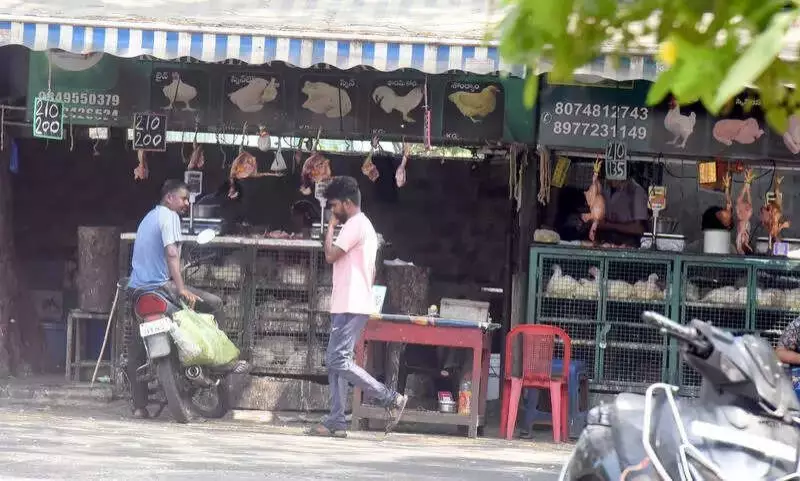
Residents of Andhra Pradesh are facing a severe price shock as the cost of chicken has soared to unprecedented levels in the run-up to the Sankranti festival. Meat traders across the state report that demand has pushed prices through the roof, with some varieties now commanding a higher price than mutton.
Festive Demand Fuels Price Surge
Traders directly attribute the sharp increase to the high demand for meat in the past week, a trend that traditionally precedes the three-day Sankranti festival, which this year spans from January 14 to 18. Consumption of meat, particularly chicken, sees a significant jump across the state during this period. In fact, traders are anticipating a dramatic 60% rise in chicken consumption during the festive week itself.
A Detailed Look at the Soaring Numbers
The current market rates present a stark picture. As of now, dressed broiler chicken is selling for between 300 to 330 rupees per kilogram. The price for skinless chicken is similarly high, ranging from 300 to 320 rupees per kg, while boneless broiler chicken commands a premium at 500 to 600 rupees per kg.

However, the most shocking increase is seen in country chicken, specifically rooster meat. Its price has skyrocketed to between 1,200 to 1,400 rupees per kilogram. This means it has officially surpassed the cost of mutton, which is currently priced between 900 to 1,100 rupees per kg.
Comparing Prices: A Steep Climb in Weeks
The rapid escalation becomes clear when comparing current prices to those from just a few weeks ago. Three weeks prior, skinless chicken was available for around 220 rupees per kg, and boneless broiler was at 440 rupees per kg. The climb for country chicken has been even more dramatic. On December 1, dressed country chicken was priced at about 1,000 rupees per kg. By December 28, it had already risen to 1,200 rupees, setting the stage for the current peak.
Multiple Factors Behind the Crisis
While festive demand is the primary driver, several other factors are contributing to the supply crunch and high prices:
- Slow Winter Growth: The colder winter temperatures have led to slower growth rates for birds and livestock, reducing the overall availability of country chicken, goats, and sheep in the market.
- Limited Sale by Farmers: Farmers have also intentionally limited the sale of animals during this period, further tightening supply.
- Direct Price Hikes by Poultry Farmers: Taking advantage of the festive season, poultry farmers have increased the prices of roosters by over 30%. Consumers report that roosters are now being sold directly at 3,000 to 4,000 rupees each.
With the peak festival days still ahead, traders warn that the situation may worsen. They indicate that these already high numbers could surge further starting from January 10, putting additional strain on household budgets celebrating Sankranti.






