

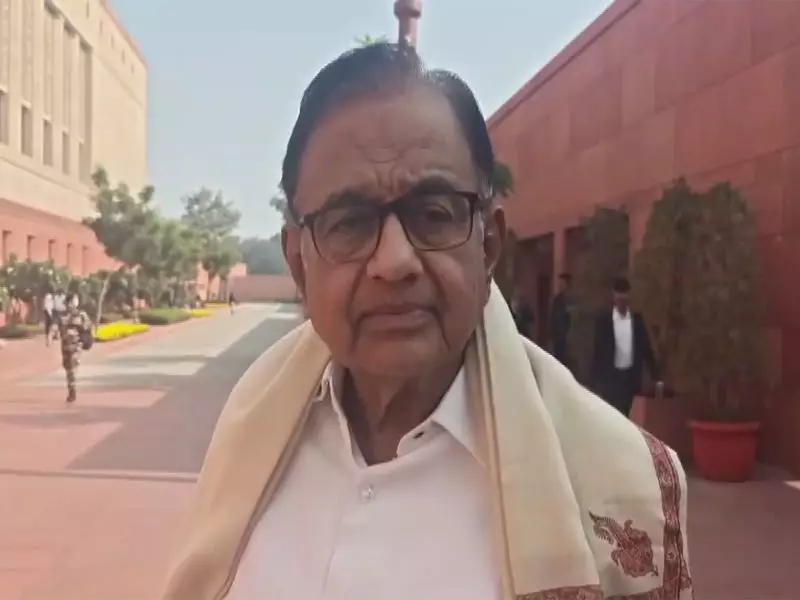
In a notable show of cross-party support, senior Congress leader and former Union Finance Minister P Chidambaram has publicly backed the Central government's recent initiative to impose a ceiling on economy class airfares in India. This move by the Civil Aviation Ministry aims to protect passengers from exorbitant ticket prices, especially during peak travel seasons and on certain high-demand routes.
Endorsement from a Political Veteran
P Chidambaram, a key figure in the opposition, expressed his clear support for the proposed regulatory measure. He emphasized that such a cap is a necessary step to shield ordinary citizens from sudden and steep price surges that often make air travel unaffordable. His endorsement is significant, highlighting a rare consensus on a policy matter that directly impacts the common traveler's wallet.
The veteran politician argued that the aviation market, left completely unregulated, can lead to predatory pricing in situations of limited supply and high demand. He pointed out that while airlines are free to operate as commercial entities, a basic framework to prevent price gouging on essential travel routes is in the public interest.

The Mechanics of the Proposed Fare Cap
The Centre's plan involves setting a maximum price threshold for economy class seats. This ceiling would be determined based on a formula that likely considers factors such as the distance of the route and operational costs, ensuring airlines can still run profitably while passengers are not subjected to unfair pricing.
The initiative stems from recurring complaints from passengers about ticket prices skyrocketing during festivals, holidays, or in the wake of cancellations by other carriers. The government's intervention seeks to introduce a layer of predictability and fairness into the ticketing process.
Potential Impact and Industry Outlook
If implemented, this policy could have wide-ranging effects. For consumers, it promises more stable and reasonable airfare, making last-minute travel planning less financially daunting. For the aviation industry, it introduces a new regulatory boundary within which they must strategize their dynamic pricing models.
While some industry stakeholders may express concerns about interference in free-market mechanisms, the government's stance, now bolstered by Chidambaram's support, is firmly rooted in consumer welfare. The policy reflects a balancing act between fostering a competitive aviation sector and ensuring its services remain accessible to a broad section of the Indian population.
The move is seen as part of a broader effort to make air travel more consumer-friendly, complementing other recent measures aimed at improving grievance redressal and service quality. As the Civil Aviation Ministry works on the final details of the framework, the backing from a seasoned economist and opposition leader like Chidambaram adds considerable weight to the proposal's rationale.






