

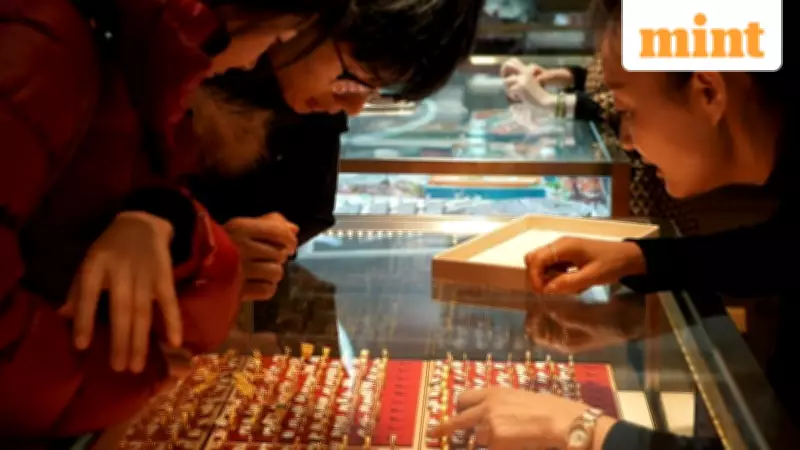
The Rise of China's 'Auntie' Investors in the Precious Metals Market
In a remarkable trend sweeping across China, average households, particularly middle-aged women known affectionately as "aunties," are becoming a dominant force in the global gold and silver markets. Driven by fears of economic instability and geopolitical tensions, these investors are turning to precious metals as a reliable store of value, significantly impacting prices worldwide.
Economic Anxiety Fuels Demand for Safe Havens
Rose Tian, a 43-year-old high-school teacher from Beijing, exemplifies this movement. Worried about a slight decline in her salary and heightened global instability, she has invested thousands of dollars in gold over the years. "I'm still bullish because I believe gold is a great safe-haven asset," Tian stated, reflecting a sentiment shared by millions. With China's property market struggling, domestic stocks volatile, and bank interest rates low, gold and silver have emerged as attractive alternatives for wealth preservation.
This surge in demand is not just anecdotal. According to the World Gold Council, Chinese investors purchased approximately 432 metric tons of gold bars and coins in 2025, a 28% increase from the previous year. This accounted for nearly one-third of global purchases in that category, underscoring China's pivotal role in the metals mania.

Accessibility and Innovation in Investing
The accessibility of gold investments has transformed how Chinese households participate in the market. Many now buy gold exchange-traded funds (ETFs) through popular phone apps like WeChat or Alipay, making transactions as simple as ordering coffee. In 2025, Chinese gold ETFs saw record inflows, and gold futures trading volumes at the Shanghai Futures Exchange reached new annual highs.
For those preferring physical assets, gold markets and jewelry stores are bustling with activity. Investors line up to purchase gold bars and one-gram gold beans, often sold in decorative glass jars. This physical demand has led to gold and silver trading at a premium in China compared to international benchmarks, a clear indicator of heightened local appetite.
Market Volatility and Speculative Frenzy
The rally in precious metals gained momentum earlier this year, fueled by a weakening U.S. dollar, lower bond yields, and increased central-bank buying. Risk-hungry investors even used leverage to amplify their trades, contributing to the speculative frenzy. However, this volatility has not been without consequences.
On January 30, silver and gold prices experienced their largest daily losses in decades. This sharp decline was triggered by former President Donald Trump's announcement that he would nominate Kevin Warsh as the next Federal Reserve chair, which strengthened the dollar and sent metal prices into a free fall. "It's become more of a speculative frenzy," noted Hamad Hussain, a climate and commodities economist at Capital Economics.
On Chinese social media, individual investors who suffered losses lamented being "chopped up like chives" after buying at peak prices. In response, some Chinese banks have tightened margin requirements to limit customer borrowing for metal purchases.
Cautious Optimism and Shifting Strategies
Despite the recent pullback, interest in precious metals remains strong. Hong Miao, a sales associate at Beijing's Tianya Jewelry Market, reported increased foot traffic as prices dipped, with gold bar sales picking up. However, she observed that a "wait-and-see" attitude dominates among customers, indicating ongoing caution.
Some investors are now pivoting to silver, believing it has more room for appreciation than gold. Jia Pei, a tourist in her 30s from Henan province, sold her gold holdings for a profit last summer and has since turned to hoarding silver. "Even if prices fall, it's bearable," she explained, highlighting a strategic shift among younger generations.
As China's Lunar New Year approaches—a traditional time for gold purchases—the actions of these "auntie" investors and their counterparts continue to shape global markets, blending cultural practices with modern financial strategies in an era of uncertainty.






