Delhi Cabinet Greenlights EV Policy 2026 with Major Incentives
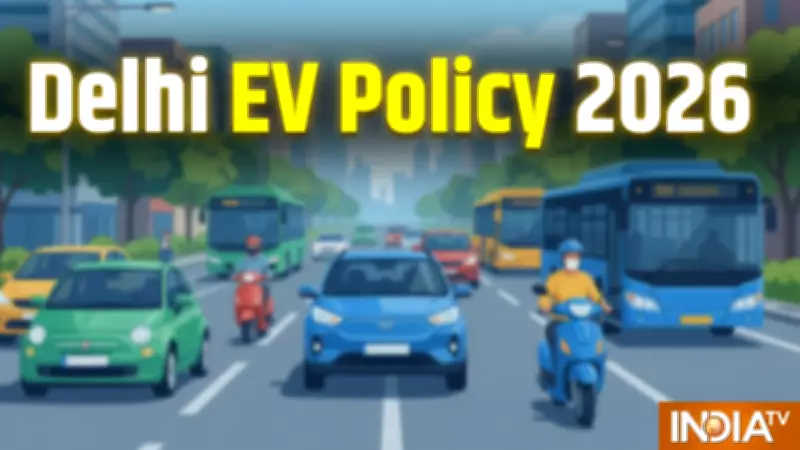
The Delhi Cabinet on Wednesday approved the Electric Vehicle (EV) Policy 2026, which provides a 100% exemption on road tax and registration fees for all electric vehicles purchased in the national capital. The policy aims to accelerate the adoption of EVs and curb vehicular pollution, according to an official statement.
Key Highlights of the EV Policy 2026
Under the new policy, buyers of electric two-wheelers, three-wheelers, four-wheelers, and goods carriers will not have to pay any road tax or registration fees. This exemption is expected to reduce the upfront cost of EVs significantly, making them more affordable compared to petrol and diesel vehicles. The policy will be effective from the date of notification and will remain in force until further orders.
Chief Minister Arvind Kejriwal said, "Delhi is leading the way in the fight against pollution. With this policy, we aim to make EVs the preferred choice for Delhiites. The exemption on road tax and registration fees will put more money in the pockets of citizens while contributing to a cleaner environment."

Impact on EV Adoption and Pollution Reduction
The Delhi government expects the policy to boost EV sales by at least 20% in the first year. Currently, EVs account for about 8% of new vehicle registrations in Delhi. The government aims to increase this share to 25% by 2026. The policy also aligns with the central government's FAME II scheme, which provides subsidies on EV purchases.
Transport Minister Kailash Gahlot said, "This policy is a game-changer. By removing the financial barriers, we are encouraging more people to switch to electric vehicles. This will help reduce the city's air pollution levels, which are a major health concern."
Additional Measures and Support Infrastructure
In addition to tax exemptions, the policy mandates the installation of 500 new public charging stations across Delhi over the next two years. The government will also provide incentives for setting up private charging points in residential and commercial complexes. Furthermore, the policy includes a scrappage incentive for old petrol and diesel vehicles, offering a discount on the purchase of new EVs.
The Delhi government has allocated a budget of ₹500 crore for the implementation of the EV Policy 2026. This includes funds for awareness campaigns, charging infrastructure, and subsidies for fleet operators such as e-rickshaws and e-carts.
Reactions from Industry and Environmentalists
Industry bodies like the Society of Indian Automobile Manufacturers (SIAM) have welcomed the policy, calling it a progressive step. An SIAM spokesperson said, "The 100% exemption on road tax and registration fees will significantly lower the total cost of ownership for EVs. This will accelerate the transition to electric mobility in Delhi."
Environmental groups have also praised the move. Sunita Narain, director of the Centre for Science and Environment, said, "Delhi's EV policy sets a benchmark for other states. It addresses both cost and infrastructure barriers, which are critical for mass adoption."
Comparison with Previous Policies
The previous EV policy, launched in 2020, offered a 50% exemption on road tax and registration fees. The new policy doubles that benefit, reflecting the government's commitment to faster adoption. The earlier policy also provided purchase incentives, which have been retained and enhanced under the 2026 policy.
Delhi currently has over 1.5 lakh registered EVs, including two-wheelers, three-wheelers, and cars. The government aims to increase this number to 5 lakh by 2026.