Delhi's new EV Policy 2026, approved by the Delhi Cabinet, will come into effect from July 1, 2026, after the Lieutenant Governor's approval, and remain valid until March 31, 2030. The policy offers a 100% waiver on road tax and registration charges for all electric vehicles, with electric cars eligible only if their ex-showroom price is up to Rs 30 lakh.
The government has committed over Rs 7,000 crore to promote electric mobility, while residents are expected to receive benefits worth nearly Rs 15,000 crore through tax waivers and incentives.
Major Savings on Upfront Costs
The complete exemption from road tax and registration fees significantly reduces the initial purchase cost of an EV. However, electric cars priced above Rs 30 lakh will continue to attract the existing road tax of 10% for individual buyers and 12.5% for corporate buyers.

Cash Incentives Through Direct Benefit Transfer
In the first year of the policy, buyers of electric two-wheelers can receive up to Rs 30,000, electric three-wheelers up to Rs 50,000, and N1 electric goods vehicles up to Rs 1 lakh. These incentives will decrease in the second and third years.
The policy also rewards owners who scrap BS-IV or older vehicles. Scrap incentives range from Rs 10,000 for two-wheelers to Rs 1 lakh for four-wheelers, with additional benefits for commercial vehicles.
Expanding Charging Infrastructure
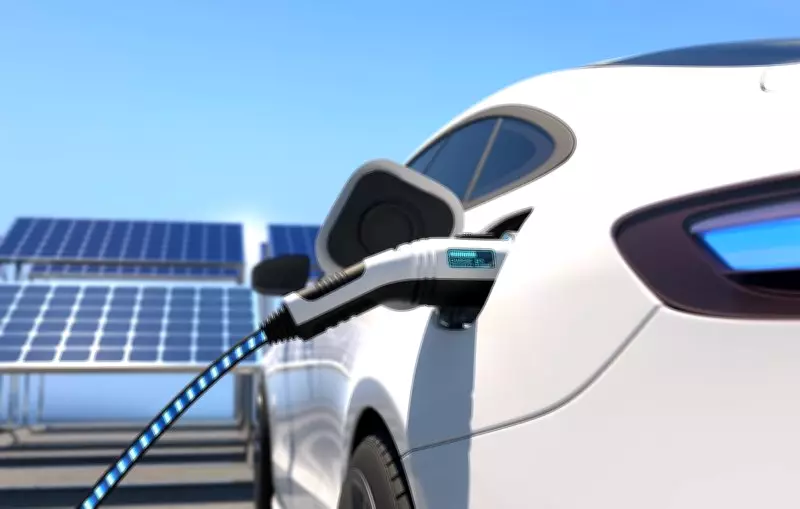
To address range anxiety, the government plans to install over 30,000 public charging points across Delhi during the policy period. The charging network will be rolled out in phases after land is identified for the infrastructure.
Phased Transition to Electric Mobility
From January 1, 2027, only electric passenger and goods-carrying auto-rickshaws in specified categories, along with N1 electric goods vehicles, will be registered in Delhi. From April 1, 2028, only electric two-wheelers will be registered in the capital.
School transport will also gradually go electric, with EVs targeted to make up 30% of school bus fleets by March 2030. To encourage cleaner freight movement, the first 1,000 N2 electric trucks purchased within three months of the policy's notification will receive a 10-year exemption from Delhi's no-entry restrictions.
No Subsidy for Hybrid Vehicles
The government has clarified that the policy is focused solely on pure battery electric vehicles. Hybrid vehicles will not be eligible for any subsidy or purchase incentive.
With road tax and registration fee waivers, purchase incentives, scrappage benefits, and a rapidly expanding charging network, Delhi's EV Policy 2026 significantly reduces the cost of owning an electric vehicle. For anyone planning to buy a new vehicle in the coming months, the policy makes a compelling financial case for going electric while contributing to cleaner air in the capital.