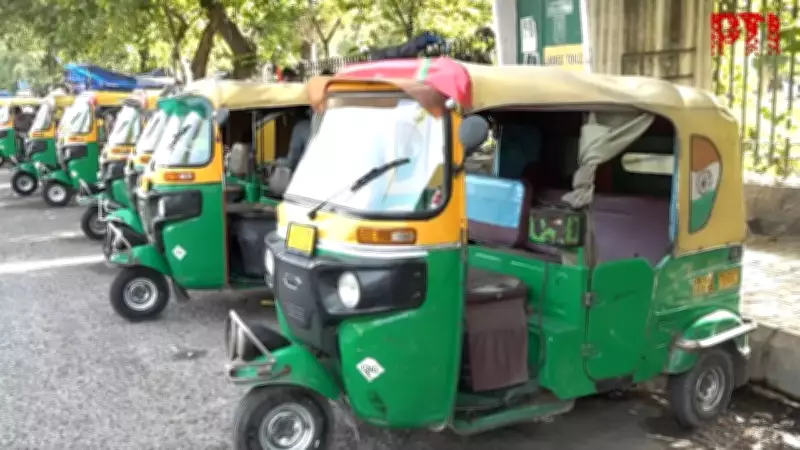
Transporters and taxi unions in Delhi-NCR continued their strike for the second consecutive day on Friday, protesting the increase in environment compensation cess (ECC) on commercial vehicles and rising fuel prices. The three-day strike, called by transport bodies including the All India Motor Transport Congress (AIMTC) and Chalak Shakti Union, represents truckers, private bus operators, taxi drivers, and maxi-cab operators. However, the impact of the protest remained limited in most parts of the national capital, with autos and taxis operating normally on Thursday.
Protest against ECC and fuel prices
AIMTC national president Harish Sabharwal stated that the protest primarily aimed at opposing the ECC imposed on commercial vehicles. He warned that higher taxes on vehicles transporting essential commodities would eventually increase transportation costs and lead to a rise in consumer prices. Sabharwal added, "We have deliberately kept autos, taxis, and buses out of this symbolic strike so that the public is not inconvenienced."
Financial difficulties faced by drivers
The Chalak Shakti Union, in a letter submitted earlier this week to the Delhi Lieutenant Governor, Chief Minister, Transport Minister, and Police Commissioner, highlighted the financial difficulties drivers face due to rising operational costs. The union stated that taxi fares in Delhi-NCR have remained unchanged for nearly 15 years despite a steep increase in fuel prices and other expenses. It noted that the rising cost of CNG, petrol, and diesel, along with higher spending on vehicle maintenance, permits, insurance, fitness certificates, and other requirements, had pushed drivers under severe financial stress.

Demands and warnings
Transport unions have demanded a rollback of the ECC and a revision of taxi fares. They warned that continued financial pressure could affect the livelihood of thousands of drivers across the region. The strike is expected to continue for a third day, though its impact remains limited for now.