

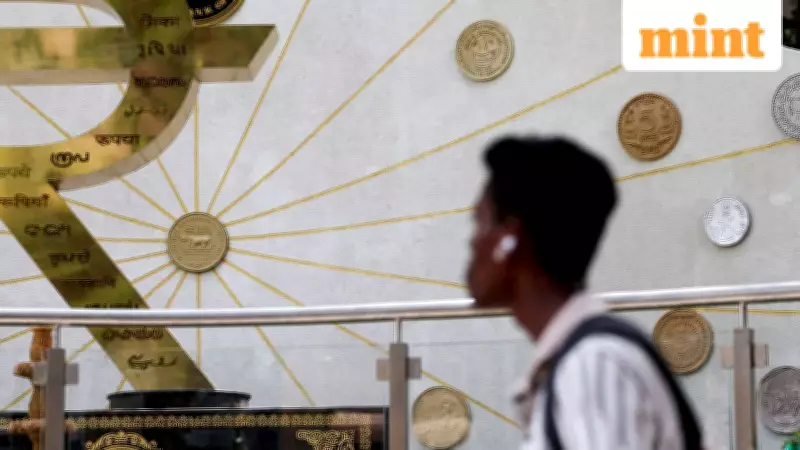
Economic Survey 2026 Acknowledges Rupee Weakness While Emphasizing Strong Fundamentals
Finance Minister Nirmala Sitharaman presented the Economic Survey 2026 in Parliament on Thursday, addressing the recent depreciation of the Indian rupee against the US dollar while expressing confidence in the nation's economic resilience. The document highlights that despite the currency's decline, India's macroeconomic foundations remain robust.
Rupee's Recent Performance and Contributing Factors
The Indian rupee breached the 92 per US dollar mark earlier today, settling near an all-time low at 91.96. This movement reflects persistent selloffs by foreign portfolio investors (FPIs) and a prevailing risk-off sentiment in global markets. According to the Survey, between April 1, 2025, and January 22, 2026, the rupee depreciated by approximately 6.5% against the US dollar, underperforming most major currencies over the past year.
The primary driver behind this weakness, as noted in the Economic Survey, is the reduction in foreign capital inflows. "India depends on foreign capital flows to maintain a healthy balance of payments. When they run drier, rupee stability becomes a casualty," the report stated. Additional pressure stems from a balance of payments deficit and market uncertainties surrounding the outcome of a trade deal with the United States.

Underlying Economic Strength and Growth Projections
Despite the rupee's depreciation, the Economic Survey emphasizes that its valuation does not fully reflect India's stellar economic fundamentals. Key indicators supporting this view include:
- A favorable growth outlook with controlled inflation levels
- Supportive rainfall patterns and positive agricultural prospects
- Low external liabilities enhancing financial stability
The government projects the Indian economy to grow between 6.8% and 7.2% in FY27, bolstered by strong macroeconomic fundamentals and ongoing regulatory reforms.
Strategic Advantages of an Undervalued Rupee
The Survey presents a nuanced perspective on the rupee's current valuation, suggesting that an undervalued currency may offer certain strategic benefits in the current global context:
- It helps offset the impact of higher American tariffs on Indian exports, particularly relevant given the 50% tariffs imposed by the US
- It enhances the competitiveness of Indian goods in international markets
- It mitigates inflationary pressures from higher-priced crude oil imports
The document describes the rupee as "punching below its weight" given India's strong economic indicators, yet acknowledges potential advantages in the current trade environment.
Long-Term Exchange Rate Outlook
Looking beyond short-term fluctuations, the Economic Survey identifies several structural factors that will guide exchange rate dynamics over the medium to long term:
- Sustained productivity gains across economic sectors
- Diversification of exports toward higher-value goods and services
- Deeper integration into global value chains (GVCs)
- Maintenance of a stable and predictable policy environment
These fundamental elements, rather than temporary market movements, are expected to determine the rupee's trajectory in the coming years.
Disclaimer: This analysis is for educational purposes only. Investors are advised to consult with certified financial experts before making any investment decisions.






